GUIDE
Our house is full of windows and sunlight, and I'm worried the professional portraits of my boys will fade on the walls. UV glass for every 8x10 and 5x7 is expensive. What actually protects them?
By the seenow! teamLast updated:
UV glass slows fading but doesn't stop it, so start with what is free: keep the originals off the wall and hang reprints, move frames out of direct sun, and keep the print from touching the glass. Save UV glazing or window film for the one or two walls that get direct light.
WHY
Why this happens
Sunlight fades photographs in two ways: through the ultraviolet part of the light and through ordinary visible light. UV-filtering glass only deals with the first. That is why the Library of Congress says that, over time, every photograph exposed to light will undergo irreversible light damage, even behind UV-filtering glass. Better glass slows the clock; it doesn't stop it.
In a bright house, the walls that matter most are the ones where sunlight lands directly for part of the day. A portrait on an interior wall across the room gets far less light than one between two windows, and moving it may protect it more than any glass upgrade.
The good news for professional portraits is that you probably have, or can get, the file or a reprint. That changes the question from "how do I protect this print forever" to "which copy hangs, and which copy is kept safe."
HOW TO
What you can do starting today
Watch where the sun lands for a dayNo app needed
On a clear day, check each framed portrait in the morning, at midday and in the late afternoon. Note any frame that gets a patch of direct sun, even for an hour. In winter the sun sits lower and reaches farther into rooms, so a wall that is shaded in July may be lit in January. Those sunny spots are the only places where spending money on glazing really pays.
Hang a reprint, and keep the original in a drawerNo app needed
The Library of Congress suggests framing a facsimile of a valuable photograph and keeping the original. Ask your photographer for the digital files or a second print, or have the print scanned. Put the original in an envelope or box in a closet inside the house, not in a garage or attic. If the hanging copy fades in ten years, you print another one and nothing is lost.
Check that the print doesn't touch the glassNo app needed
The Library of Congress says a frame should keep the photo's surface from touching the glass, and that anything touching the photo should pass the Photographic Activity Test. A mat, the cardboard window around the picture, holds the print away from the glass. Many store-bought frames for 8x10 and 5x7 prints come with one; if yours doesn't, a precut mat marked as photo-safe or PAT-passed is a small cost per frame.
Spend on UV protection only where the sun hitsNo app needed
For the one or two sunny walls you can't avoid, choose either UV-filtering glazing for those frames or UV window film for the window that lights them, which also protects the furniture. Read the film's claims carefully: the National Park Service found that "98% of UV filtered" usually meant 98% of part of the UV range, and that films last roughly 8 to 15 years. If you are replacing windows anyway, the Department of Energy says low-E glass can cut UV-induced fading of furnishings by as much as 75%.
Blinds, curtains or sheers drawn during the sunniest hours lower visible light too, which glass and film don't do.
Source: National Park Service, Conserve O Gram 3/10: Choosing UV-Filtering Window Films (August 2004) / U.S. Department of Energy: Consumer Guide to Energy-Efficient Windows
WITH SEENOW!
Doing it with seenow!
seenow! is a private family app for short videos, about 2 seconds a day. It does nothing for prints on a wall, but it can keep the boys' everyday moments somewhere sunlight can't reach.
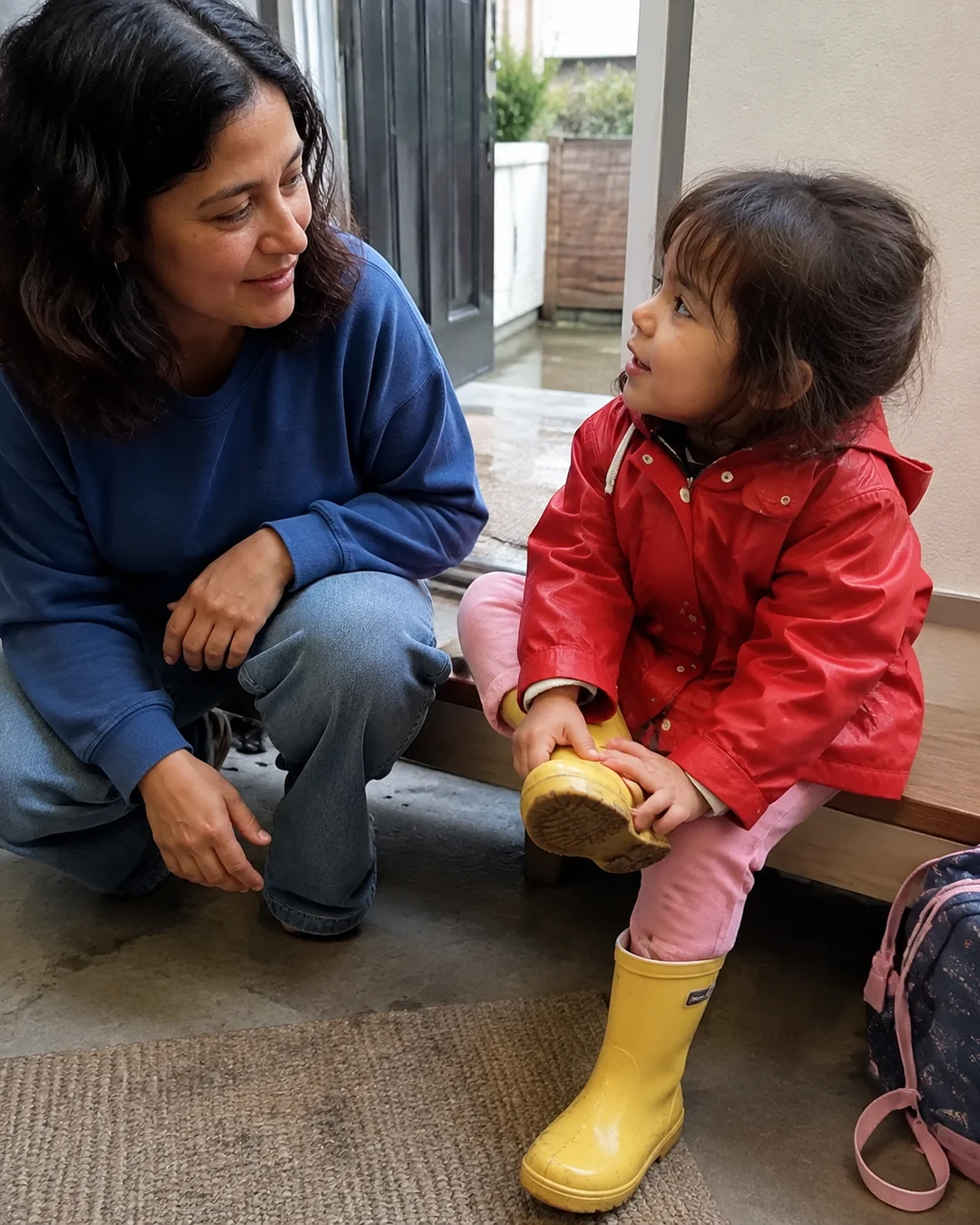
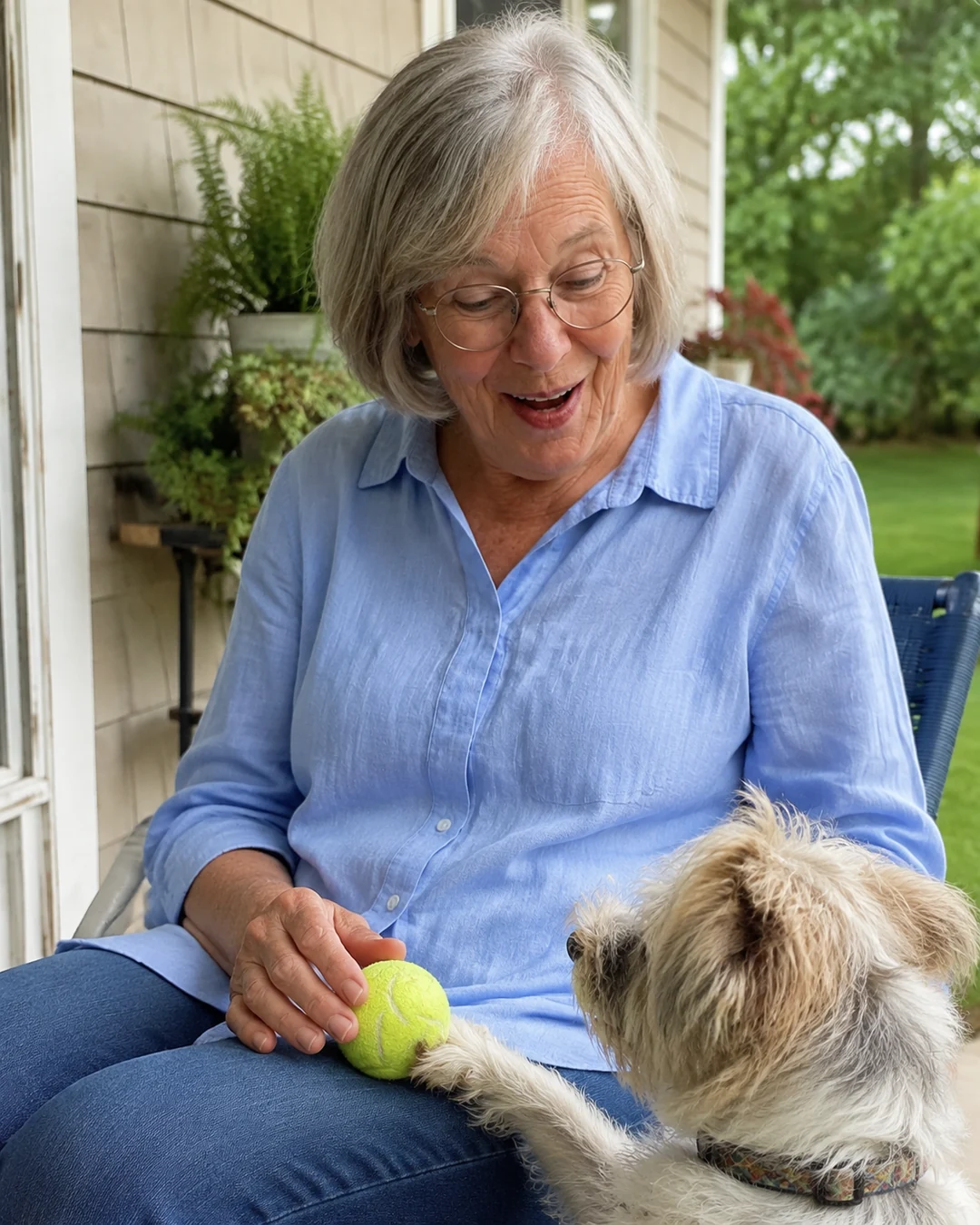
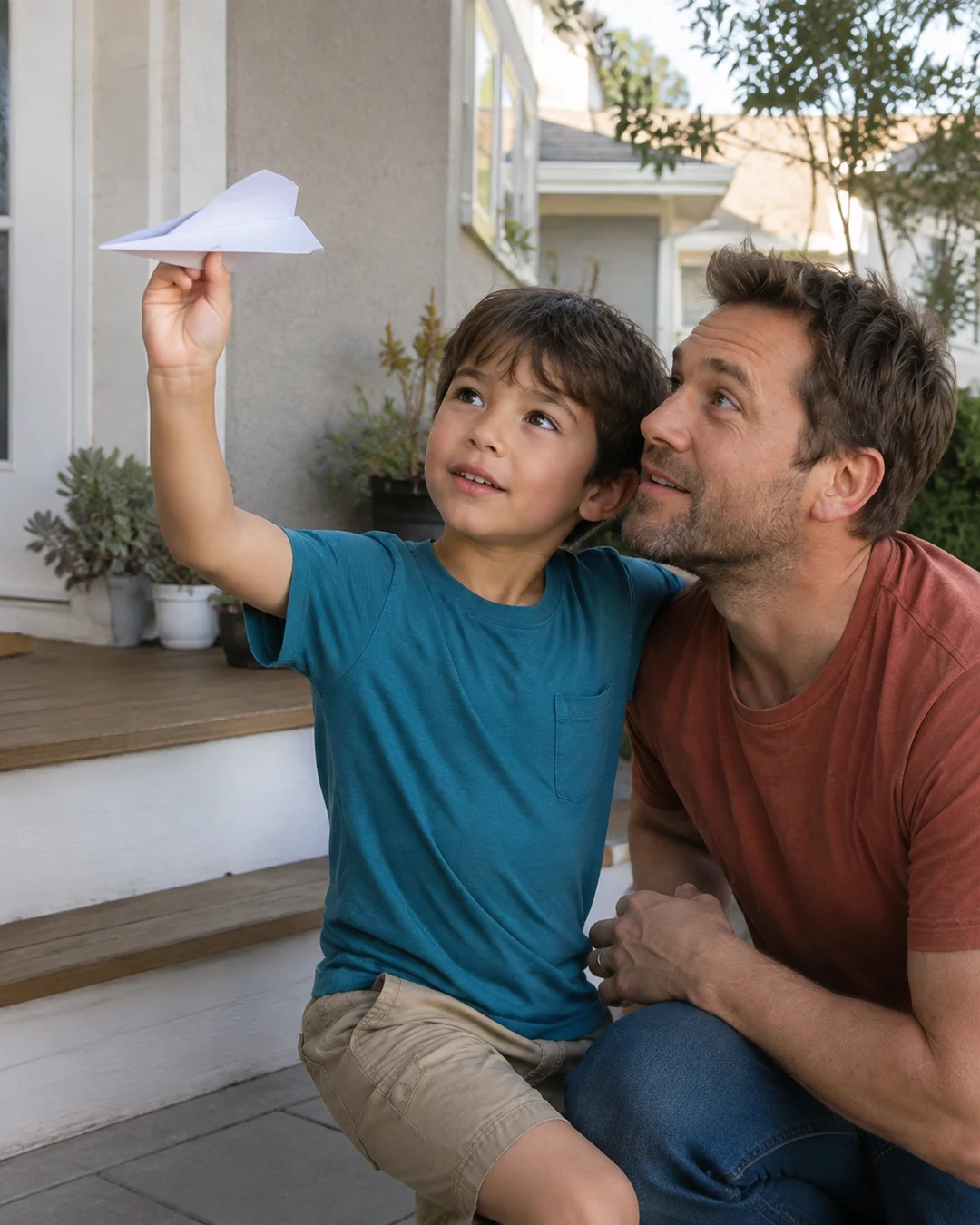
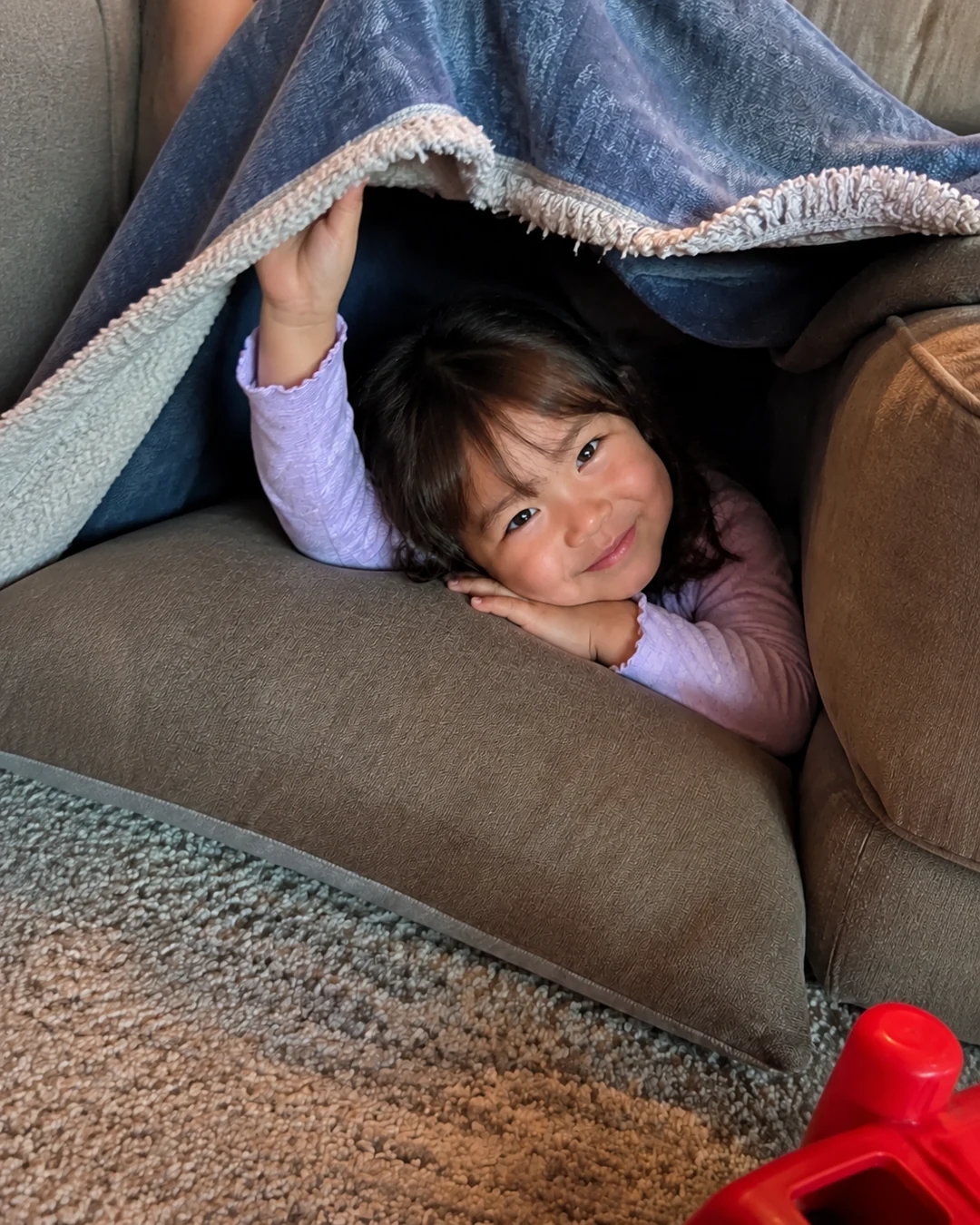
- Each week, seenow! makes a recap video of the clips your family takes with the seenow! camera, and only the people you invite can see it. Portraits capture how the boys looked on one day; the recaps can hold how they moved and sounded the rest of the year.
What seenow! can’t do
- seenow! can't protect, store or print your portraits, and portrait files from your photographer can't be posted to it. Only photos and videos taken with the seenow! camera can be added.
Core features are free.
POINT
Things to watch for in this situation
Don't wait for a faded print to "rest" back
Light damage doesn't reverse when you take a photo down. If a portrait already looks pale or color-shifted, replace the hanging copy with a fresh print from the file rather than storing the faded one and hoping.
Watch for heat as well as light
A frame above a radiator, a heating vent or a fireplace gets warm air on top of light. Pick a different spot for originals, and for reprints if you can.
Home-printed photos may fade faster
If you reprint at home, be aware that inkjet prints vary a lot in how well they hold up to light. For the sunniest spots, use a print from your photographer or a professional lab.
FAQ
Frequently asked questions
Is UV-filtering glass a waste of money, then?
No, it slows fading. It just isn't a substitute for keeping the original out of the light. Use it for the frames that will hang in a bright spot for years, and skip it for frames on shaded walls.
What about acrylic instead of glass?
UV-filtering acrylic is another kind of glazing and is lighter and less likely to shatter, which helps for large frames or kids' rooms. The same rule applies: it slows fading, it doesn't stop it.