GUIDE
I found old rolls of film and a few disposable cameras from when my boys were little. The first rolls I had developed came back dark, with only a few good shots. Are the rest worth developing?
By the seenow! teamLast updated:
Usually yes, if you go in with lower expectations and a better order. Film changes as it ages, so some frames may be dark or off-color. Keep the rest cool, send one or two at a time, and ask for scans and the negatives back so you judge the film, not a quick machine print.
WHY
Why this happens
Film doesn't keep forever, before or after you take the pictures. Kodak Alaris, in its guide to storing Kodak photographic materials, says unprocessed film is perishable: its speed, contrast, color balance and fog level shift slowly over time, faster in heat and humidity, and color film is hit harder than black-and-white. Once a picture is taken, the invisible "latent image" on the film also changes until the roll is developed, which is why Kodak advises processing promptly.
After years in a drawer, that adds up. A roll can come back thin, foggy or off-color, and prints made quickly from weak negatives can look dark or muddy. Where the film sat matters too: a kitchen drawer is gentler than a hot garage or attic.
A dark first batch doesn't mean the rest are lost. Each roll and camera had its own life: different film, different storage, different light when the pictures were taken. The aim now is to learn as much as you can from each one before you pay for the next.
HOW TO
What you can do starting today
Sort what you have and write down what you knowNo app needed
Lay everything out and make a short list: loose rolls, disposable cameras, the brand and type printed on each, and any guess about when and where it was used ("beach trip?", "Max's 1st birthday?"). On a disposable camera, the frame counter tells you whether it was used up. Put a numbered sticky note on each item so you can match the results to your list later.
Keep the rest cool while you decideNo app needed
Kodak Alaris says consumer films and single-use cameras should be kept away from excessive heat, such as a car in the sun or a summer attic. Move everything to a closet or drawer inside the house. If you will wait more than a few days, a sealed container in the refrigerator slows changes; let it warm to room temperature before opening, so moisture doesn't form on the film.
Send one or two at a time, and ask for scans and negativesNo app needed
Start with the roll or camera you care about most. When you drop it off or mail it, say that the film is old and ask whether the lab can process it with that in mind. Ask for digital scans and the negatives back, not only prints. If you mail film, label the package "Undeveloped Photographic Film. Please Do Not X-Ray," as Kodak Alaris suggests, and if you fly with it, carry it on and ask for a hand inspection.
Judge each roll from the negatives, then decide on the restNo app needed
Hold the negatives by the edges, ideally with clean cotton or nitrile gloves as the Library of Congress suggests, and look at them against a window. Frames with visible shapes may give more than a quick print showed, and you can ask for a rescan or reprint of just those. If a whole roll is blank or uniformly dark, the next items from the same drawer may be similar, and you can choose to stop there. Going one by one keeps the cost tied to what you're actually getting back.
Store the negatives and save the scansNo app needed
Kodak Alaris notes that color negatives change even in the dark and describes 35°F to 55°F at 30 to 35 percent humidity as excellent for long-term storage. At home, that means a paper negative sleeve in a box, kept in a cool, dry closet. Copy the scans to your computer and a second place, and rename them with the year and who is in them.
WITH SEENOW!
Doing it with seenow!
seenow! is a private family app for short daily videos, about 2 seconds each. It can't rescue old film, but it can make sure the boys' current everyday moments don't end up in a drawer.
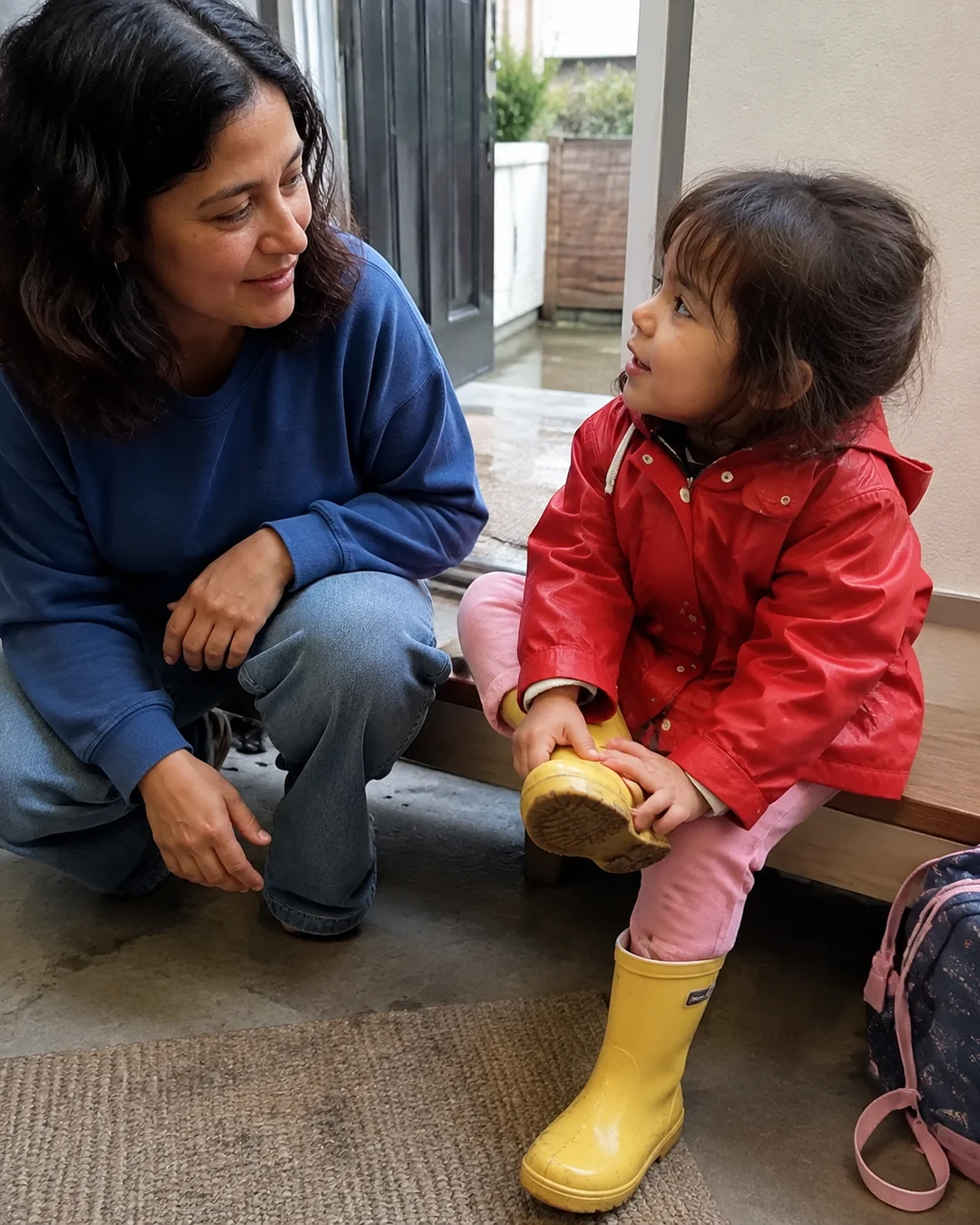
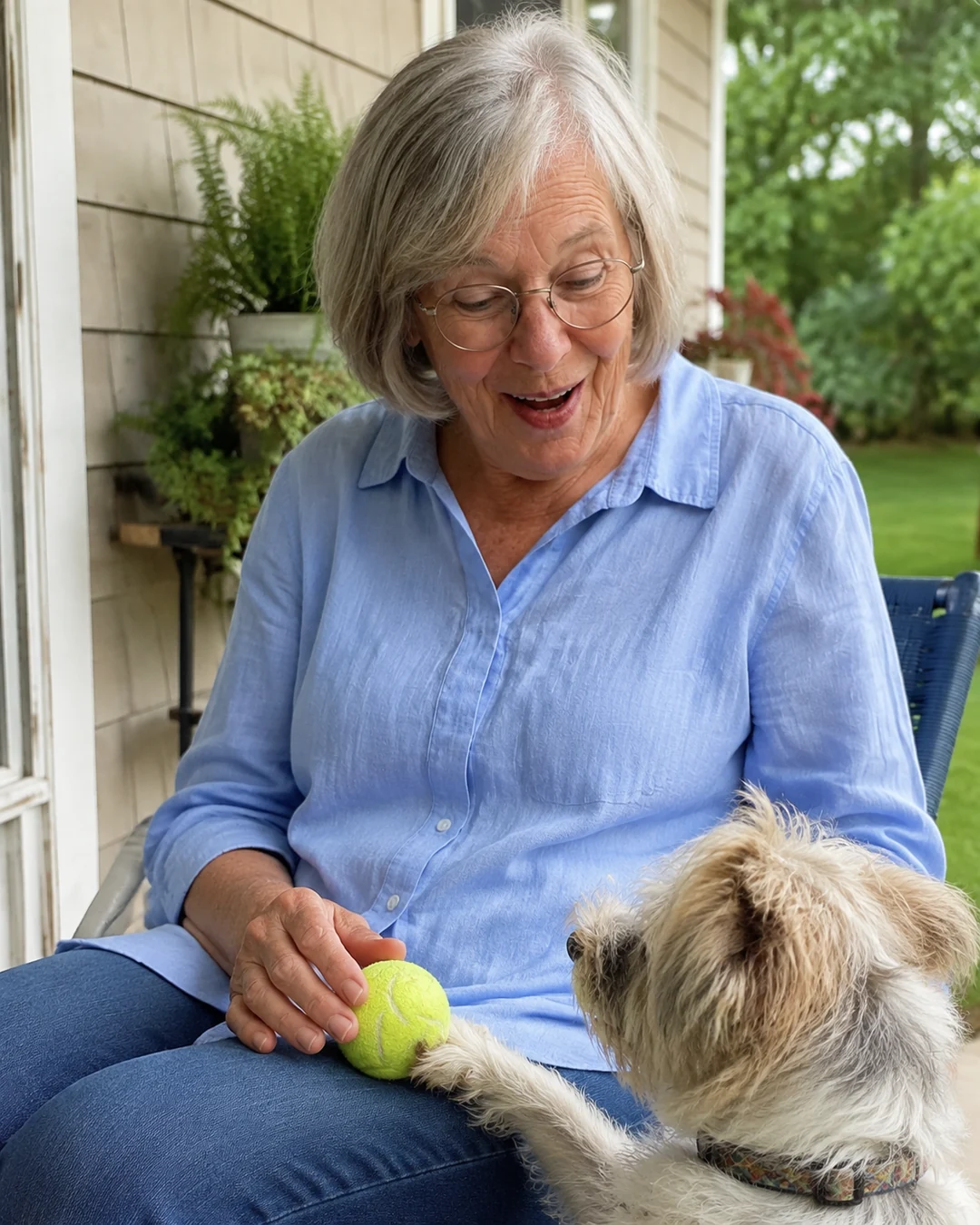

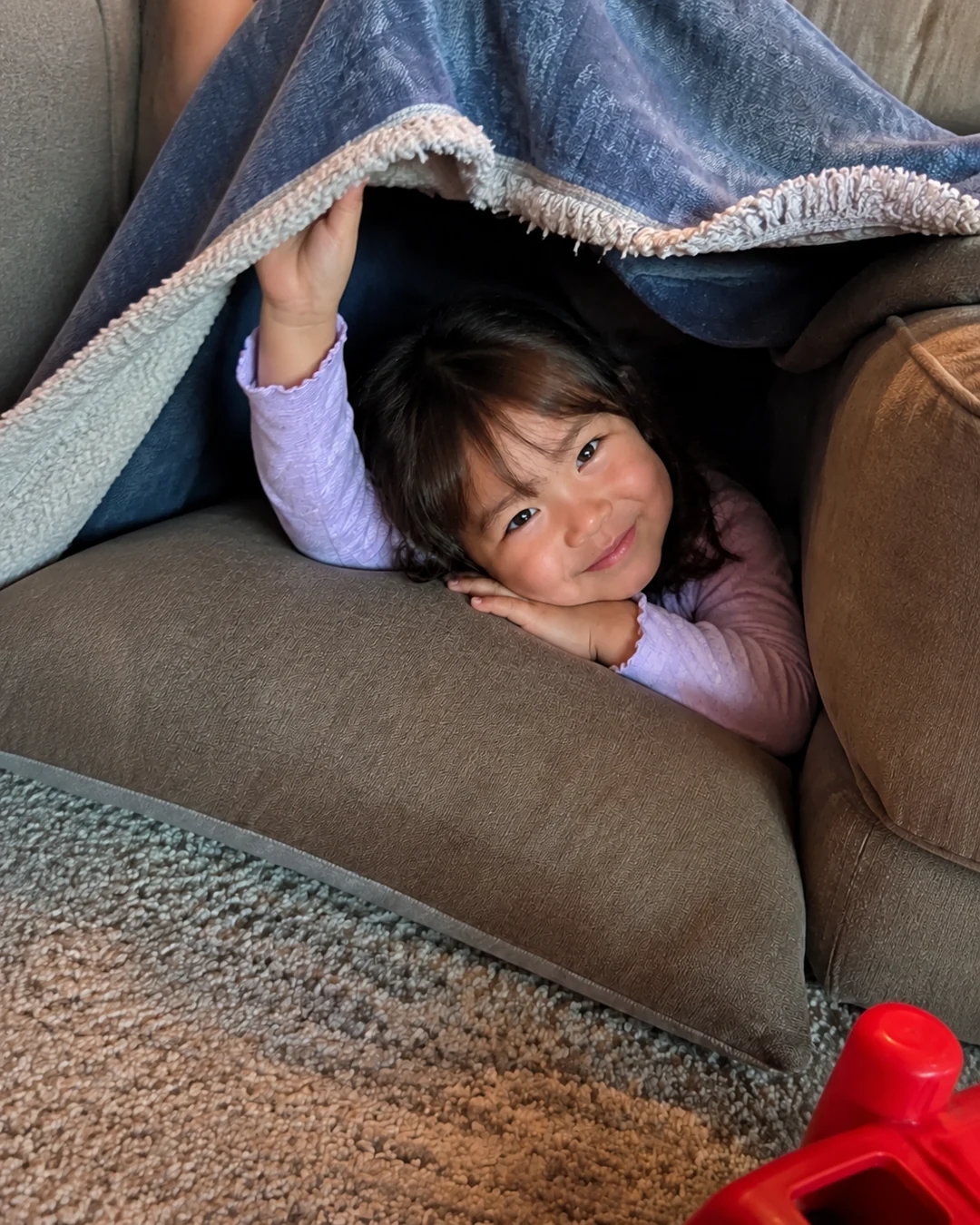
- Clips taken with the seenow! camera are shared with the family members you invite as soon as you post them, and each week they are turned into a recap video automatically, so there's nothing left to develop or sort later.
What seenow! can’t do
- seenow! can't develop or scan film. Only photos and videos taken with the seenow! camera can be posted, so scans from your old rolls can't be added to it.
Core features are free.
POINT
Things to watch for in this situation
Don't open a disposable camera yourself
Opening the camera body to pull the film out exposes the roll to light and can ruin every picture on it. Hand the whole camera to the lab as it is.
Don't throw away "bad" negatives yet
A frame that looked hopeless in a quick print may come out better in a careful scan later, at home or by a lab. Negatives take little space; keep them with your notes.
FAQ
Frequently asked questions
Is it worth developing a roll if I don't know what's on it?
If it's from the years your boys were little, it may be the only copy of those moments. Developing one first and looking at the negatives is a fair way to decide whether the others from the same place are worth it.
Why were my prints dark when some negatives look fine?
Quick automated prints can struggle with old or weak negatives. Ask the lab whether a rescan or a hand-adjusted print of a few chosen frames is possible before you write the roll off.
Can I just freeze all the film until I'm ready?
Kodak Alaris suggests the refrigerator for exposed film you can't process right away, for a few days. For film that has already waited years, developing it sooner is more useful than long cold storage.