GUIDE
Our close family friends are moving to Seattle, and my 6- and 4-year-old have practically grown up with their kids. How do we help them say goodbye and stay friends after the move?
By the seenow! teamLast updated:
Give the goodbye something the kids can hold: printed photos of them together and a small memory journal for each friend. Before the move, swap addresses and set a date for the first video call. After it, let each child mail something they made, on a rhythm the two families can actually keep.
Note: This article reflects information available at the time of publication. Programs and services may change, so please check official sources for the latest details.
WHY
Why this happens
When a family moves away, the children who stay behind lose something too, and they get less attention for it. The moving kids have a new house and a new school to think about. Your kids have the same house, the same playground and an empty spot where their friends used to be.
A 6-year-old usually understands that Seattle is far away and that the friends will not be at the park on Saturday. A 4-year-old may keep asking when they are coming over. Both are normal, and both need the same thing: a goodbye that feels real, and a way to see that the friendship keeps going.
At this age, kids cannot keep in touch on their own. They cannot dial, write an address or plan a visit. Whether the friendship lasts depends on the parents in both families, which is why it helps to set the habits up while you are still neighbors.
HOW TO
What you can do starting today
Print photos of the kids together, one set for each familyNo app needed
Pick a few favorite photos of the children together and print copies for both households. One military parent on the Military OneSource blog describes handing a print to each child in a group photo with a small note on the back. Your kids can dictate the note, and the friends can pack theirs with their own things, so the photo arrives in Seattle with them.
Source: Military OneSource Blog Brigade: Parenting Through Goodbyes (September 12, 2023)
Make a memory journal for each friendNo app needed
The same post suggests a journal with the first few pages already filled out with favorite memories. Your 6-year-old can draw the backyard fort or write a few words; your 4-year-old can draw and tell you what to write. Leave the rest of the pages blank so the friends can fill them in and send pictures back.
Source: Military OneSource Blog Brigade: Parenting Through Goodbyes (September 12, 2023)
Swap addresses and set the first call before the moveNo app needed
Get the new address while everyone is still in the same place, and write it in the kids' own address book so they can see it. Then pick a date for the first video call after the move, once the new house has furniture. A call that is already on the calendar gives a 4-year-old an answer to "When will I see them?"
Mail things the kids madeNo app needed
Drawings, a lost-tooth announcement, a leaf from the old park: letters from a friend are a thrill at this age. Watch the weight and shape. USPS says letters up to 3.5 ounces cost $0.29 for each ounce over the first, and large or square postcards cost more than standard ones. Stickers and glued-on treasures add up fast, so weigh a thick envelope at the post office if you are not sure.
Let the friendship change shapeNo app needed
Over months, calls may get shorter and further apart as everyone makes new friends. That is not failure. Keep a few fixed points, such as birthdays, a holiday card and a visit if you ever travel to the Pacific Northwest, and let the rest come and go.
WITH SEENOW!
Doing it with seenow!
seenow! is a private family app where each person films a short video, about 2 seconds a day. For two families who used to see each other all the time, it can keep a little of the everyday going.
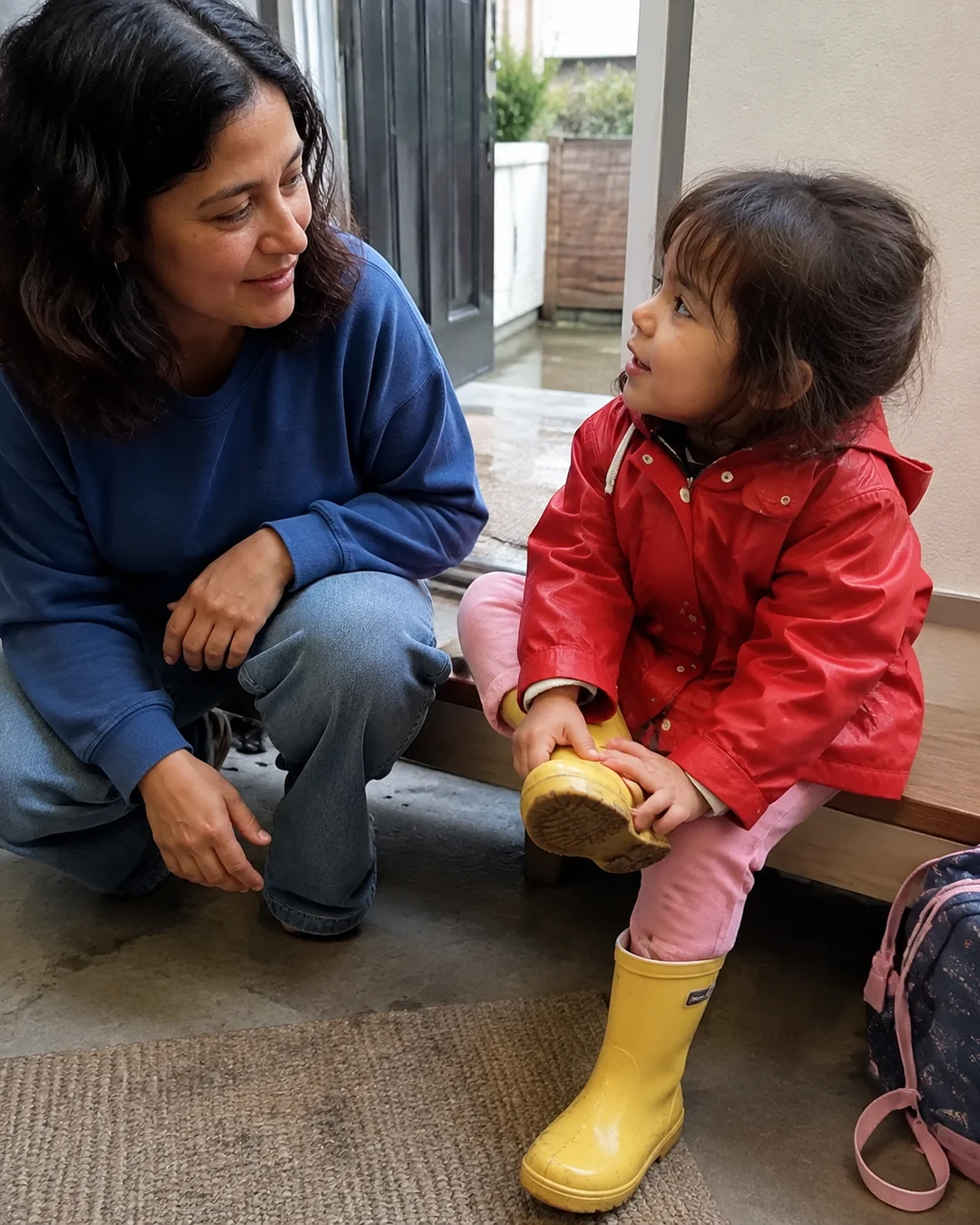

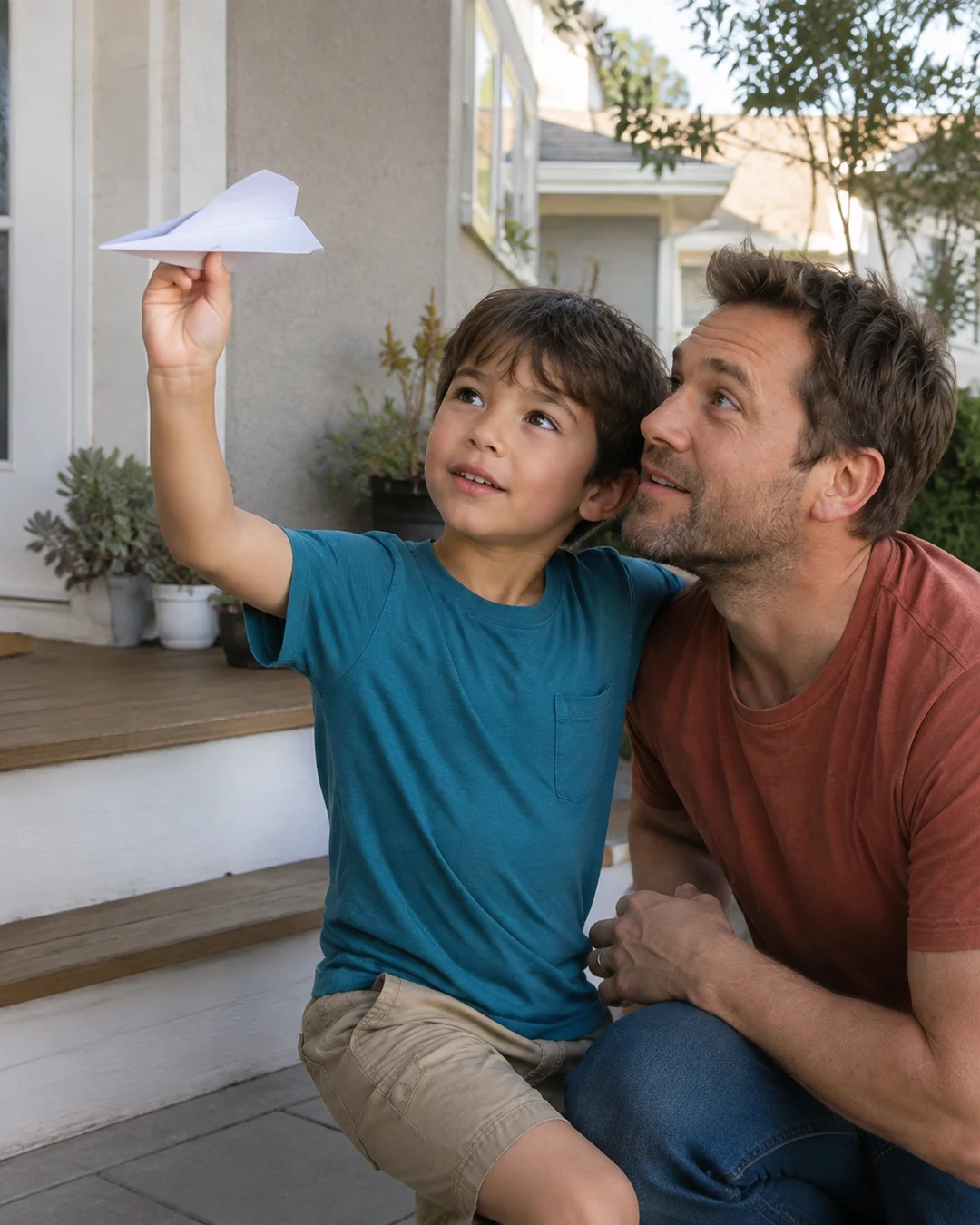
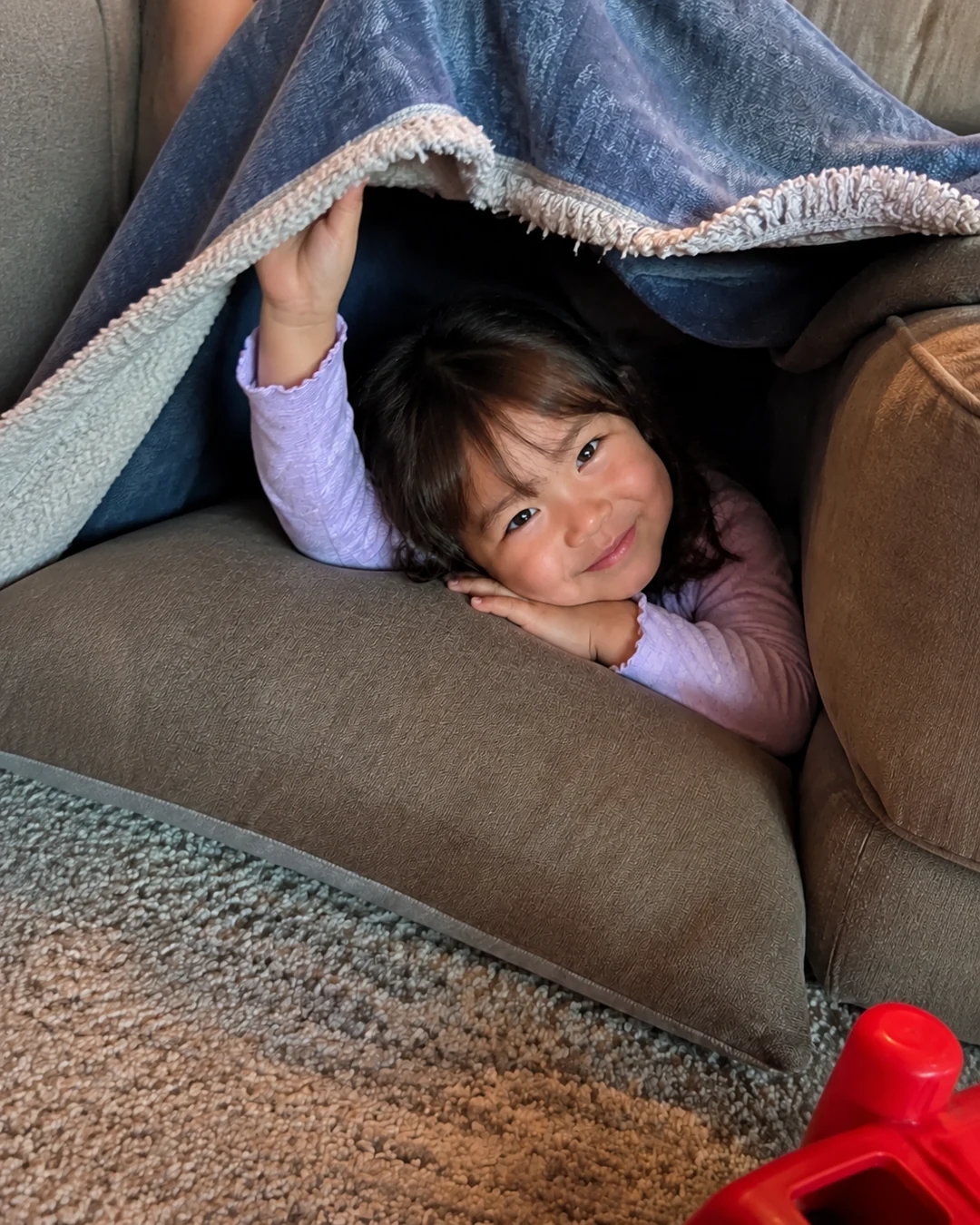
- You can make a separate group just for the two families, apart from your relatives' group. Only the people you invite can see it, and it does not show up in search.
- Each family films a 2-second clip of an ordinary moment, such as the new Seattle rain boots or your kids at the old playground, and seenow! turns the week's clips into a recap video automatically. The kids can watch their friends' week without a scheduled call.
What seenow! can’t do
- seenow! has no calls, messaging or comments, so it does not replace a video call or a letter between the kids.
- Agree as parents on what each family is comfortable sharing before you invite each other. The app is private, but the decision about another family's children is still theirs.
Core features are free.
POINT
Things to watch for in this situation
Your own goodbye matters, too
Losing close friends nearby is hard for adults as well. It is fine for the kids to see you are sad. It also helps them to hear you say you will stay in touch, and then to see you follow through with the first call or letter.
Don't promise what you can't keep
"We'll visit them this summer" is easy to say at a farewell and hard to undo. Promise what is already planned, like the first video call, and keep bigger plans as hopes until they are booked.
FAQ
Frequently asked questions
Should we have a goodbye party for the kids?
A small, simple one works well: a last playdate at a favorite place, with the photos and journals handed over at the end. Keep it about the kids and the time they had together, not a big event.
My 4-year-old keeps asking when his friend is coming over. What do I say?
Be honest and concrete: his friend lives in Seattle now, and you will see her on the video call on the date you set. A calendar he can mark, or a photo of the friend's new house, gives him something to hold on to.
How often should the kids talk after the move?
As often as both families can keep up without strain. A rhythm that lasts, even an occasional call plus letters, does more than a flurry of calls in the first month that then stops.