GUIDE
We're moving to another state to be closer to both sets of grandparents, partly for help with the kids. How do we find out how much babysitting they'll really want to do?
By the seenow! teamLast updated:
Ask each set of grandparents specific, small questions before you sign a lease: which days, how many hours, at whose house, and what they'd rather not do. Plan your child care as if their help is a bonus, then build it in once you see what they actually enjoy. Many grandparents still work, too.
WHY
Why this happens
Moving near grandparents for help is common, and so is the surprise afterward. Before the move, everyone pictures the same thing in a general way: "We'll be around more." After the move, "around more" turns out to mean very different things to each person. One grandmother means every Tuesday afternoon. Another means a Sunday dinner once a month and a call when someone is sick.
Grandparents do a lot of child care in the U.S. A Census Bureau release on its report Who's Minding the Kids? found that in 2011, 24 percent of preschoolers were regularly cared for by grandparents, up from 21 percent in 1997. But "regular" care is a commitment, and many grandparents have their own schedules. Some are still working.
| Age | 2025 | 2035 (projected) |
|---|---|---|
| 55 to 64 | 66.6% | 69.5% |
| 65 to 74 | 26.7% | 29.1% |
| 75 and older | 8.5% | 10.1% |
So a grandparent in their late 50s or early 60s is more likely than not to be working. That doesn't mean they won't help; it means the help has to fit around a job, travel, their own health appointments and their friends. Knowing that before you move keeps the plan realistic and spares hurt feelings later.
HOW TO
What you can do starting today
Ask small, concrete questions before you sign a leaseNo app needed
"Would you babysit?" almost always gets a yes, and tells you little. Ask instead: "Would one afternoon a week work for you? Which day? At your place or ours? Would you be OK with school pickup? Are there things you'd rather not do, like bath time or a sick day?" Ask each set of grandparents separately, so neither feels compared with the other.
Plan your child care without them firstNo app needed
Line up daycare, preschool or a sitter as if no grandparent help were coming. Then fit their help on top: a regular afternoon, a backup for sick days, a date night once a month. If their help turns out to be more than you planned, you can scale back paid care. Going the other way, after a move, is much harder.
Start with a short trialNo app needed
Before or right after the move, ask for something small and specific, like one Saturday morning while you unpack. Afterward, ask how it went for them. Grandparents who had a good time will usually offer more on their own. If they look tired, you've learned that without anyone having to say no.
Agree on the basics once, in writingNo app needed
Write one short page for each grandparent house: nap times, snacks, screen rules, car seat and who to call. Keep it light. The goal is that they don't have to ask you every time, and you don't have to correct them afterward. Let small differences go; their house can have its own rules.
Check in after three monthsNo app needed
Put a date on the calendar about three months after the move to ask, "Is this still working for you?" Needs change once the kids start school, a grandparent retires or someone's health changes. A planned check-in makes it easy for a grandparent to ask for less without feeling they have let you down.
WITH SEENOW!
Doing it with seenow!
seenow! is a private family app where each person posts a short video, about 2 seconds a day, with the seenow! camera. It doesn't arrange babysitting, but it can help both sides of the family feel involved, not only the grandparents who babysit the most.
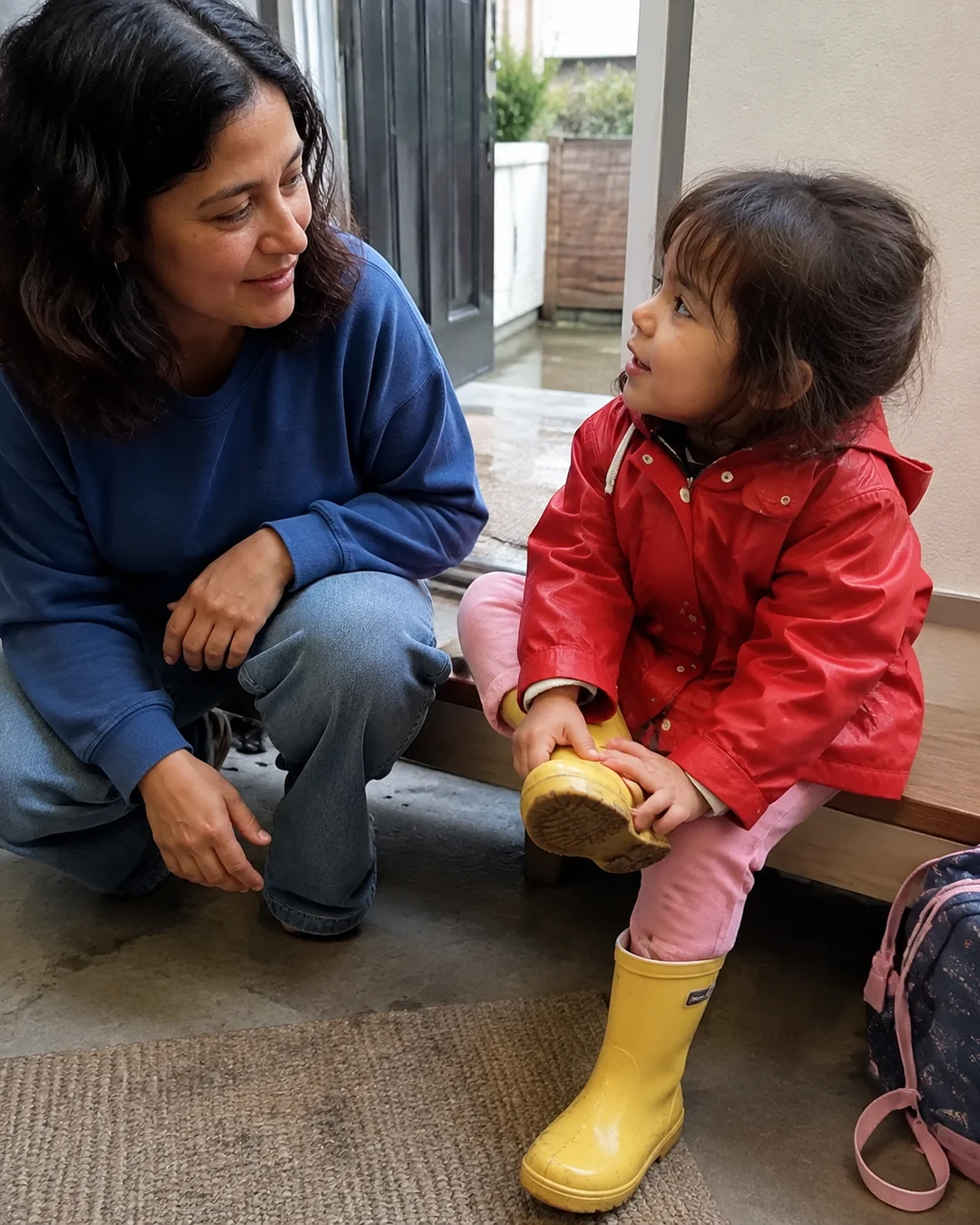
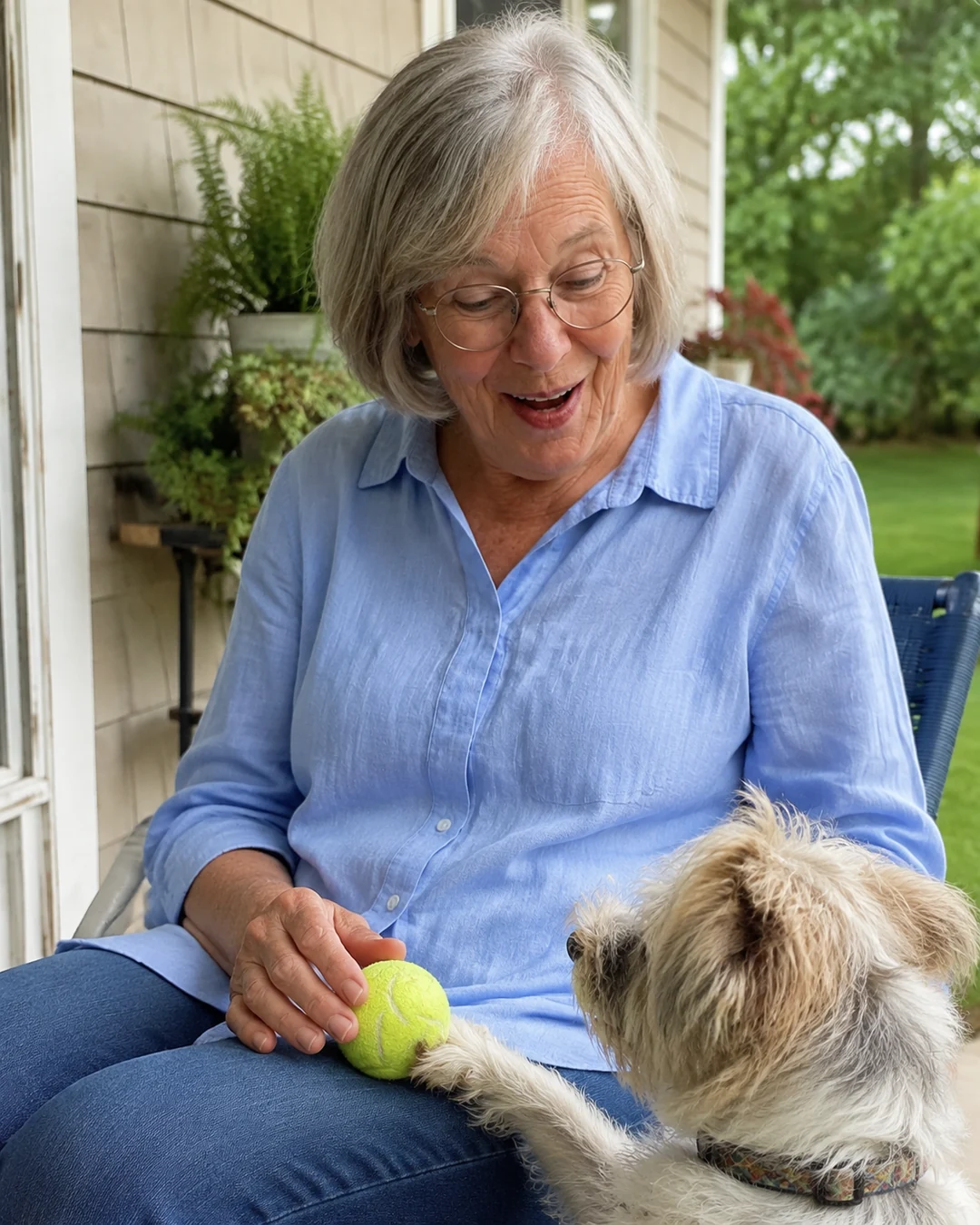

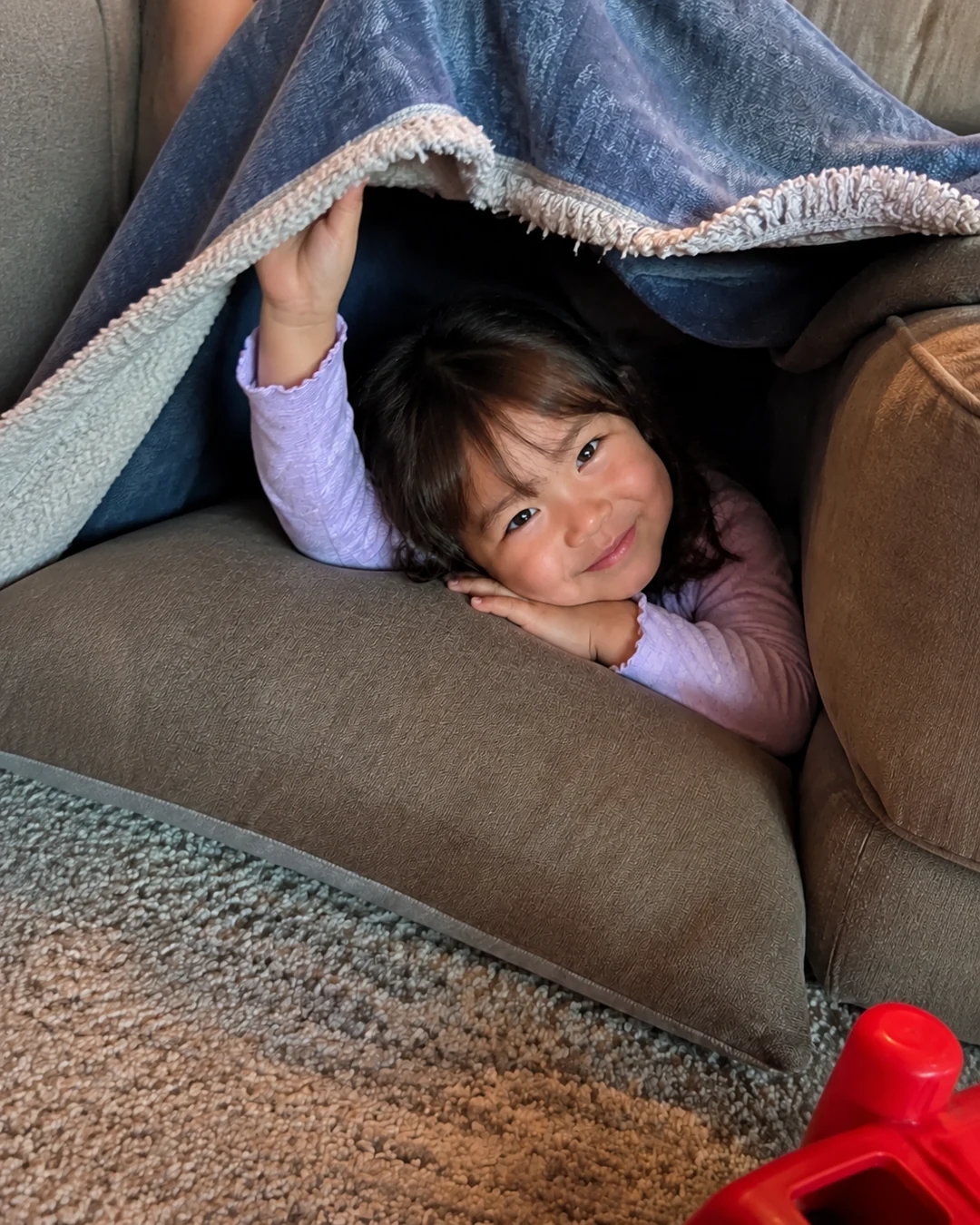
- Make one group for your side and one for your spouse's, or one for everyone. Each grandparent sees the same short daily clips of the kids, whether they watch them that week or not, so closeness does not depend on how many hours each one babysits.
- The app has two main actions, taking a clip and watching clips, so grandparents who are not comfortable with phones can join in too.
What seenow! can’t do
- seenow! cannot schedule babysitting, share calendars or send messages. Use your usual tools for who is watching the kids when.
Core features are free.
POINT
Things to watch for in this situation
Don't let child care decide the whole move
If being near family is the main reason, help with the kids becomes a pleasant extra. If babysitting is the main reason, make sure every grandparent knows that before you go, and build a backup.
Watch out for uneven help between the two sides
One set of grandparents may do much more than the other. That is usually about their schedules and energy, not their love for the kids. Thank each one for what they do, and don't keep score out loud.
FAQ
Frequently asked questions
How do I ask without making the grandparents feel obligated?
Make it easy to say no. Offer two or three options, such as "one afternoon a week, sick-day backup, or just the odd date night," and say clearly that any of those, or none, is fine.
Should we pay grandparents for babysitting?
Families handle this differently. Some pay for regular weekly care and not for occasional help, others cover gas and meals. Raise it early so the answer doesn't depend on guessing.
What if they offered a lot and then pull back after we move?
That's why the backup plan matters. Thank them for what they can do, adjust your paid care, and revisit at the next check-in. Plans change, especially in the first year.