GUIDE
We're moving back to my hometown two months after our second baby is due. How do I help my 2½-year-old with a new home and a new sibling at once?
By the seenow! teamLast updated:
Treat them as two changes, not one. Tell your toddler about the baby first, and the house closer to the move. Keep the same bed, the same bedtime and the same few rituals through both, give her about 10 minutes alone with you each day, and put the move paperwork on the calendar now.
WHY
Why this happens
For a 2½-year-old, both changes land in the same place: her everyday routine. A baby means Mom is feeding someone else at bedtime. A move means the bedroom, the kitchen and the walk to the park all look different. When both happen within a couple of months, she can't tell which change caused which feeling, and neither can you.
What helps is keeping the two apart where you can, and keeping a few things the same through both. The Illinois Early Learning Project, writing about new family members, suggests thinking about how much notice your child usually needs, since some young children get anxious about "when it's going to happen" if they hear too early. It also suggests being clear about what will stay the same, like "you'll sleep in your same bed."
There's a practical side too. Moving back near family usually means help, but it also means the weeks around the move fill up with visitors, boxes and paperwork. The less you have to do with a 6-week-old in your arms, the more attention you'll have left for the big sister.
HOW TO
What you can do starting today
Put the paperwork on the calendar nowNo app needed
USPS says to allow at least 7 to 10 business days for a change of address to take effect, and sends a letter about 5 business days before the start date. That's roughly two calendar weeks, so with a move two months after the due date, the request needs to go in when the baby is about 6 weeks old. Write that date down now, along with utilities, the mover's booking and records for a new pediatrician, and do whatever you can before the birth, so the weeks after it are for the kids.
Tell her one change at a timeNo app needed
Toddlers live in the near future. Talk about the baby as the birth gets close, and about the new house once the baby is home and the move is a few weeks away. Use simple, honest sentences: "We're going to live near Grandma. Your bed is coming too." Think about how much notice your daughter usually needs, and give her that much.
Pick three things that won't changeNo app needed
Choose a few anchors and keep them through the birth and the move: her own bed and blanket, the same bedtime song, breakfast at the same time. Say them out loud often. Set her bed up first in the new house, before the kitchen, so the first night there feels like any other night.
Give her 10 minutes that are only hersNo app needed
The Illinois Early Learning tip sheet on siblings says just 10 minutes alone with each child, doing something they enjoy, can do wonders. Once the baby is here, protect that time every day with whichever parent or grandparent is free: a walk, a book, a game of catch. On moving day, let a grandparent take her out for the morning so she isn't watching her room disappear into boxes.
Source: Illinois Early Learning Project: Helping Siblings Get Along (reviewed 2016)
Let her see the new place and the family there
If you can't visit before you move, ask family in your hometown to share a few seconds of the street, the yard or Grandma's kitchen. Watching them with her makes the new place familiar before she gets there.
WITH SEENOW!
Doing it with seenow!
seenow! is a private family app where each person shares a short clip, about 2 seconds a day. Before the move, it lets your toddler see the hometown family as part of ordinary days.
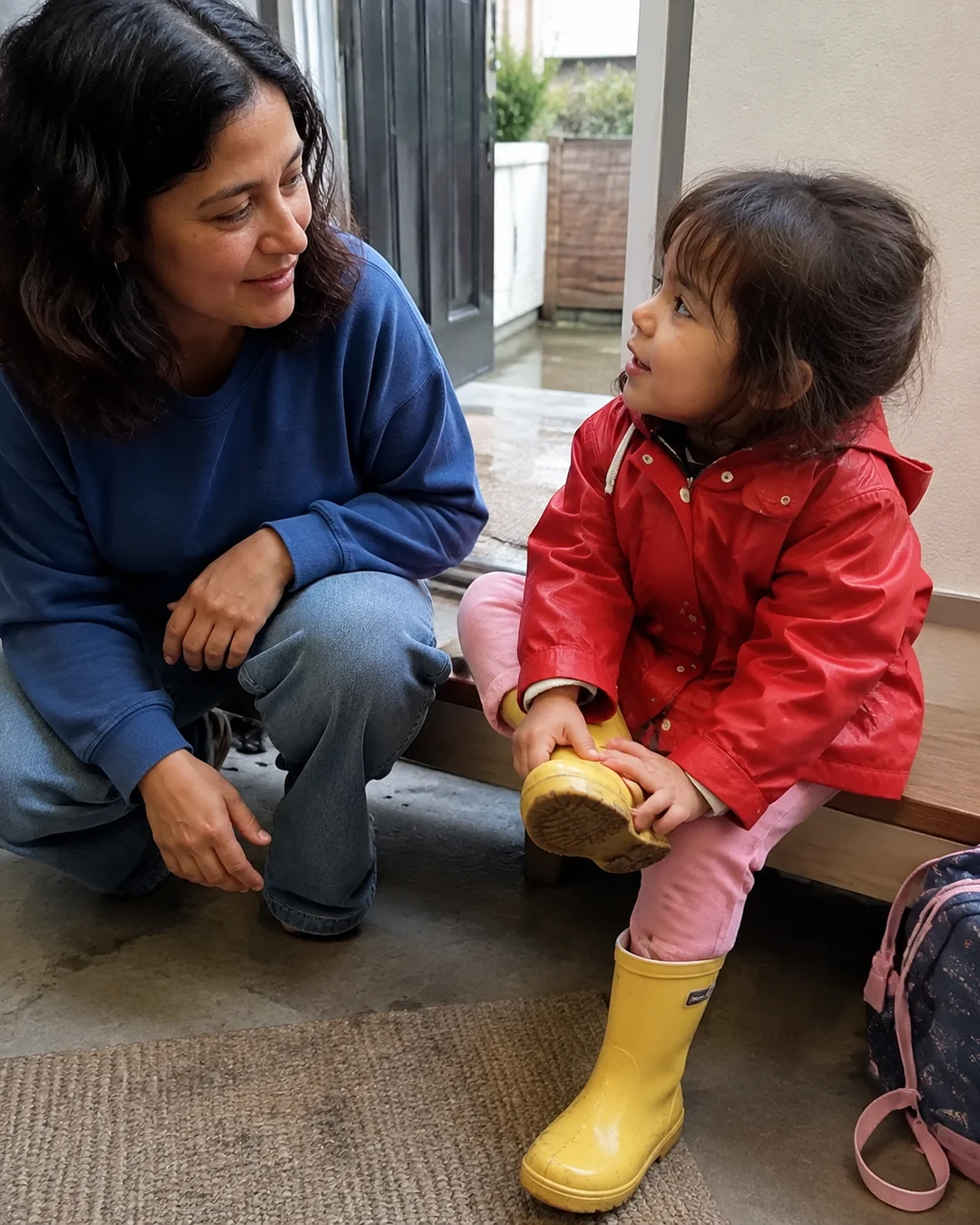


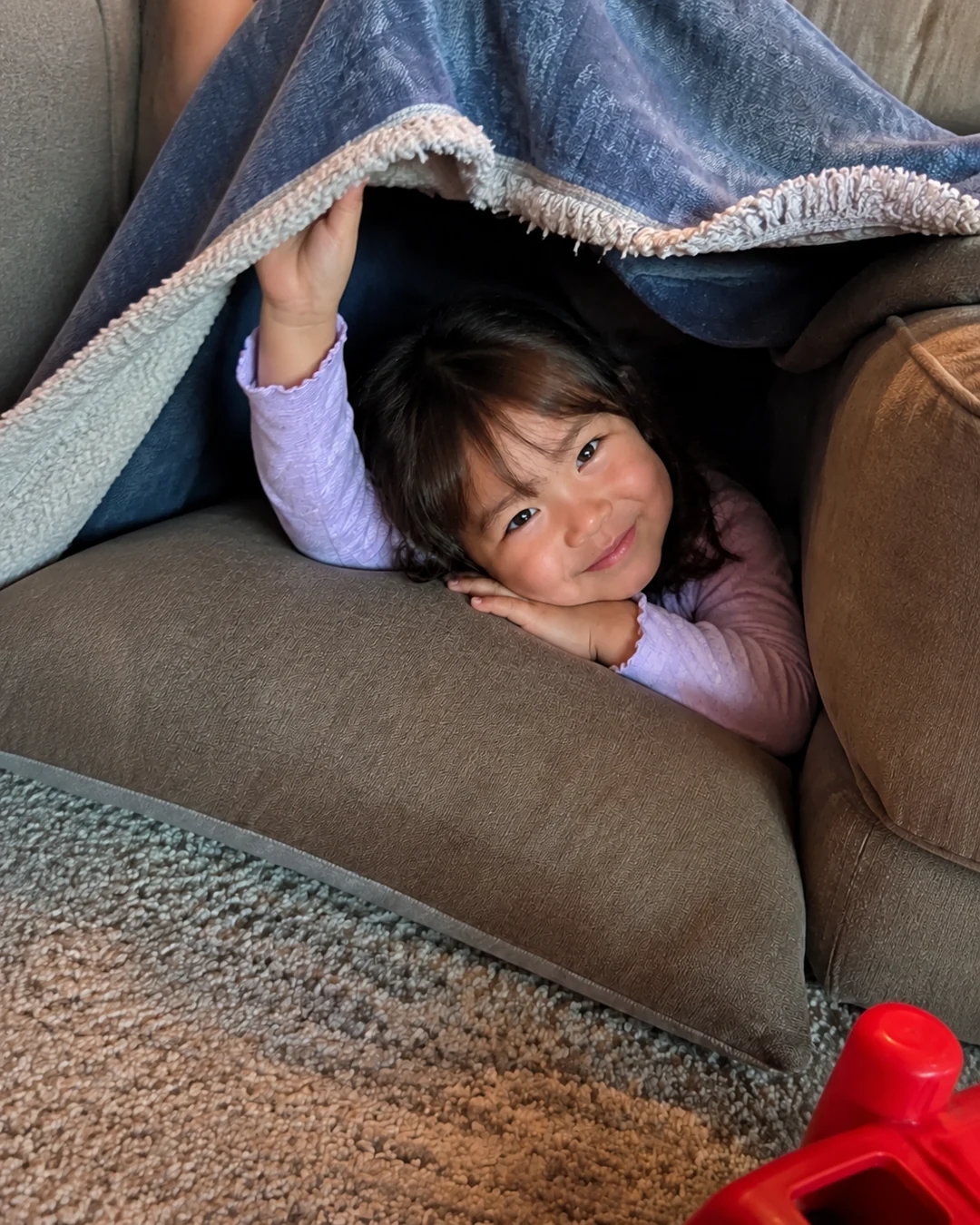
- Send hometown relatives an invite link, and they can join a private family group. Only the people you invite see the clips.
- Grandparents post 2-second clips of their day, like the porch, the dog, the garden. You and your daughter watch them together. The app comes down to taking clips and watching them, which keeps it simple for grandparents.
- Keep a separate group for close friends where you're moving from, so the people you're leaving can still see the kids.
What seenow! can’t do
- seenow! doesn't plan a move or manage paperwork. Questions about traveling or moving late in pregnancy or soon after the birth are for your doctor.
- Clips show the new place, but they don't replace walking through it with her once you arrive.
Core features are free.
POINT
Things to watch for in this situation
Hold off on other big changes
Potty training, a toddler bed or dropping a nap can wait until she's settled in the new house. Changing one more thing on top of a sibling and a move makes it harder to know what's upsetting her.
Expect the hard days to show up late
She may seem fine on moving day and fall apart a few weeks later, once the visitors have gone home. Keep the anchors going and the daily 10 minutes steady even after things look settled.
FAQ
Frequently asked questions
Should I tell my toddler about the move or the new baby first?
Usually the one that's coming first. Talk about the baby as the birth gets close, and about the move once the baby is home. Use simple words, and give about as much notice as your child usually needs for a change.
How do I help a toddler adjust to a new house and a new baby?
Keep a few things exactly the same, like her bed, bedtime song and breakfast time, set up her room first, and give her about 10 minutes of one-on-one time every day with a parent or grandparent.