GUIDE
We finally flew in to meet our 4-month-old granddaughter, and she cries a few minutes after we pick her up. What are we doing wrong?
By the seenow! teamLast updated:
Probably nothing. A 4-month-old is learning whose faces are familiar, and new arms in a busy house are a lot for her. Start with her on a parent's lap, keep holds short, hand her back before the crying builds, and spend the visit playing face-to-face games she can enjoy from a safe spot.
WHY
Why this happens
You waited months for this trip, and the first time she melts down in your arms it can feel personal. It almost never is. Around this age, babies are starting to sort the world into familiar and unfamiliar. CDC's milestone checklists show the shift: at 4 months a baby smiles and makes sounds to get a parent's attention, and by 6 months she "knows familiar people." The people she sees every day are her anchor, and for now you are a kind, loving new face.
A first visit also stacks up a lot at once. There may be a full house, a different smell and voice, being passed from person to person, and a nap that got skipped because everyone was excited. A baby who is fine for five minutes and then cries is often simply done. Grandparents who live nearby get to learn her cues over many short visits. You are trying to do it in a week.
| Age | What CDC or the AAP lists |
|---|---|
| 4 months | Smiles to get your attention, chuckles, makes sounds to keep your attention |
| 6 months | Knows familiar people; enjoys back-and-forth smiling and copied sounds |
| 9 months | Even relatives she knew may prompt hiding or crying, especially if they approach quickly |
| 10 to 18 months | Separation anxiety usually peaks, then fades in the second half of the second year |
Source: CDC, Learn the Signs. Act Early.: Important Milestones: Your Baby By Four Months / CDC, Learn the Signs. Act Early.: Important Milestones: Your Baby By Six Months / HealthyChildren.org (American Academy of Pediatrics): Social and Emotional Development: 9 Months Old
The table is a reminder that this will not be the last visit with some tears. That is useful to know before you book the next trip.
HOW TO
What you can do starting today
Start from a parent's lapNo app needed
For the first day or two, let her sit on her mom's or dad's lap while you sit close, at her eye level. Talk, smile and let her look at you as long as she likes. When she is relaxed and reaching toward you, that is a better moment to hold her than right after you walk in the door.
Keep holds short and hand her back earlyNo app needed
Hold her for a few minutes in the same room as her parent, ideally where she can still see them. When she starts to fuss, give her back before it turns into hard crying. Ending holds on a calm note teaches her that your arms are a safe place to be, and the next hold usually goes a little longer.
Play the games she can already doNo app needed
CDC suggests back-and-forth play: when she smiles, you smile; when she makes a sound, you copy it. Lie on the floor next to her play mat, play peekaboo, or sing the same short song each time you see her. None of this needs you to hold her, and it is often when she gives you her biggest smiles.
Source: CDC, Learn the Signs. Act Early.: Important Milestones: Your Baby By Four Months / CDC, Learn the Signs. Act Early.: Important Milestones: Your Baby By Six Months
Help with the parts of the day that aren't holdingNo app needed
Push the stroller on a walk while a parent carries her, hand over the towel at bath time, or take care of dinner so the parents can rest. Being part of her routine, even from a step away, is how you become familiar. It also tells the parents you are there for all of them, not only for the cuddles.
Plan the next visit with the next stage in mindNo app needed
HealthyChildren.org notes that around 9 months even relatives a baby knew may make her hide or cry, especially if they approach quickly. If your next trip falls between about 9 and 18 months, expect another warm-up and greet her slowly, from her parent's side, before you reach for her.
Source: HealthyChildren.org (American Academy of Pediatrics): Social and Emotional Development: 9 Months Old
WITH SEENOW!
Doing it with seenow!
seenow! is a family app for short videos, about 2 seconds each, shared in a private group you are invited to. It will not make her know you, but it helps you know her between visits.
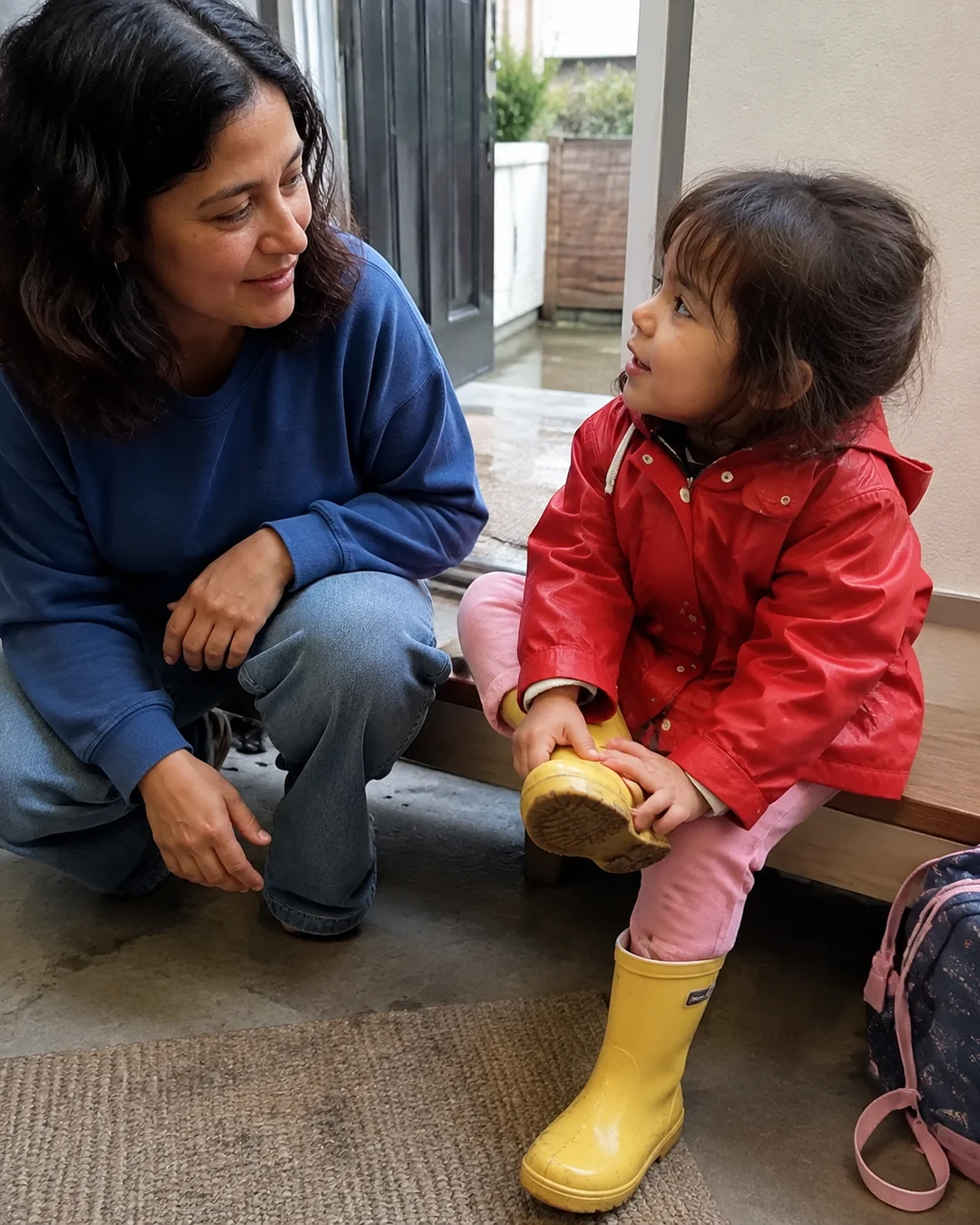
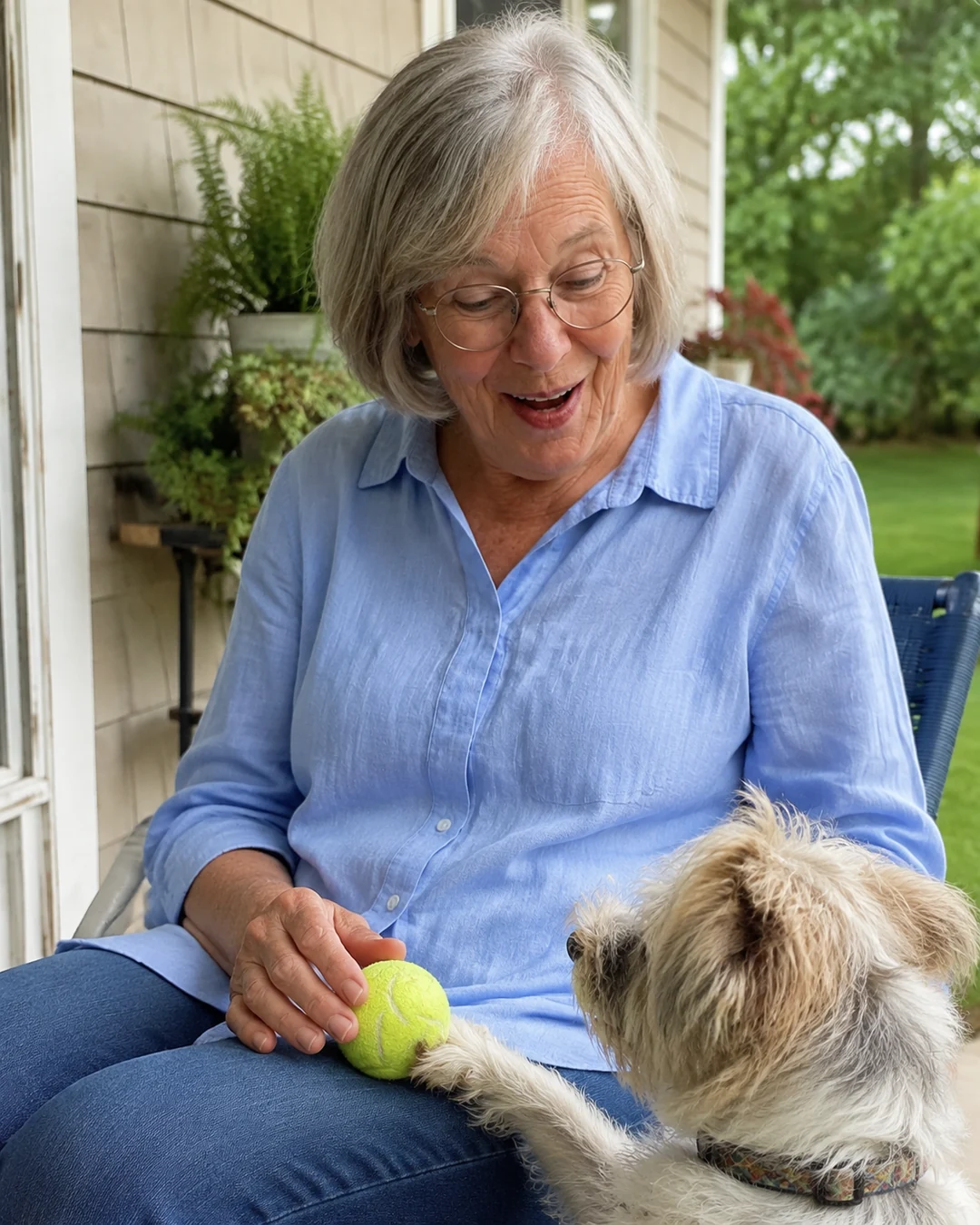
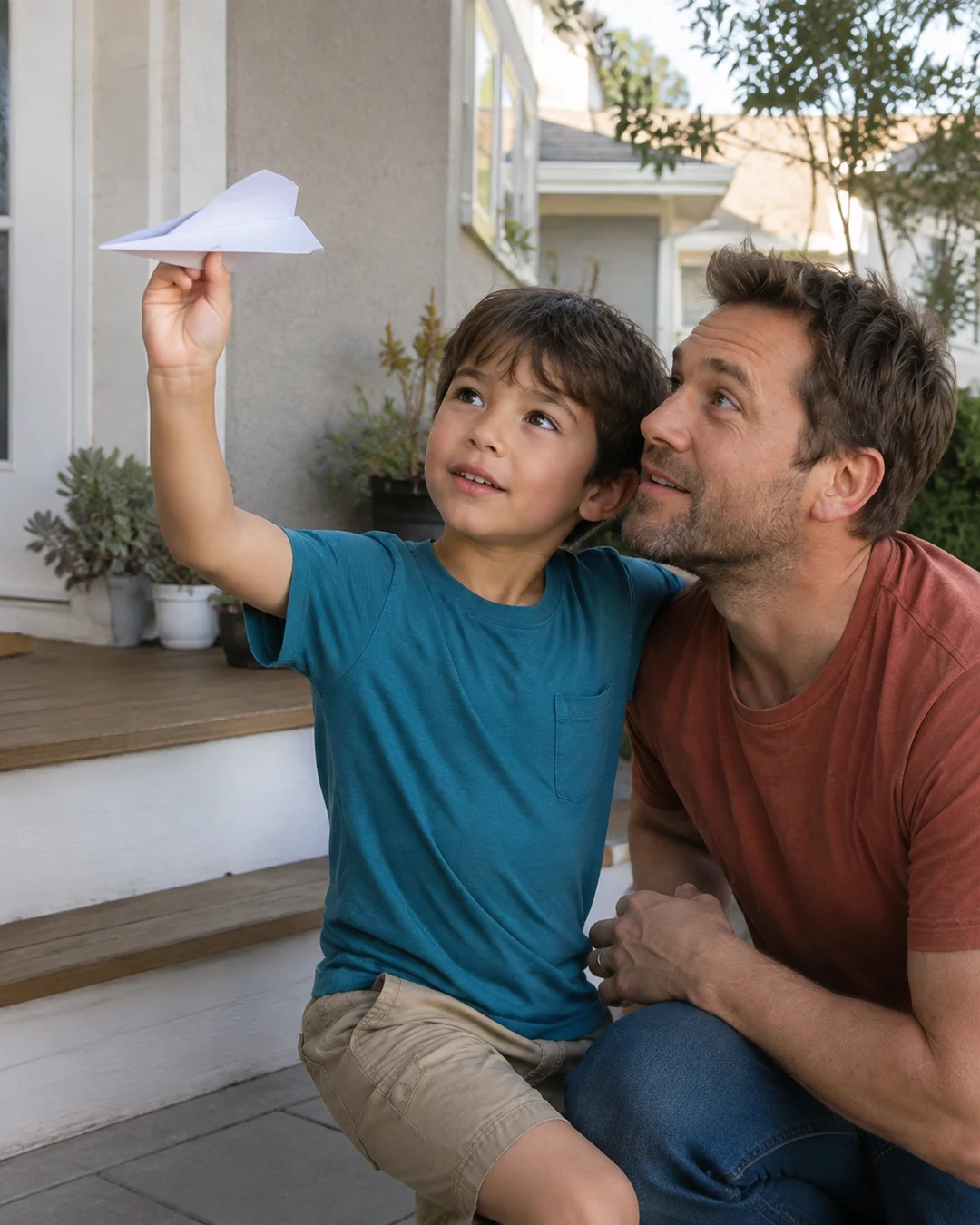
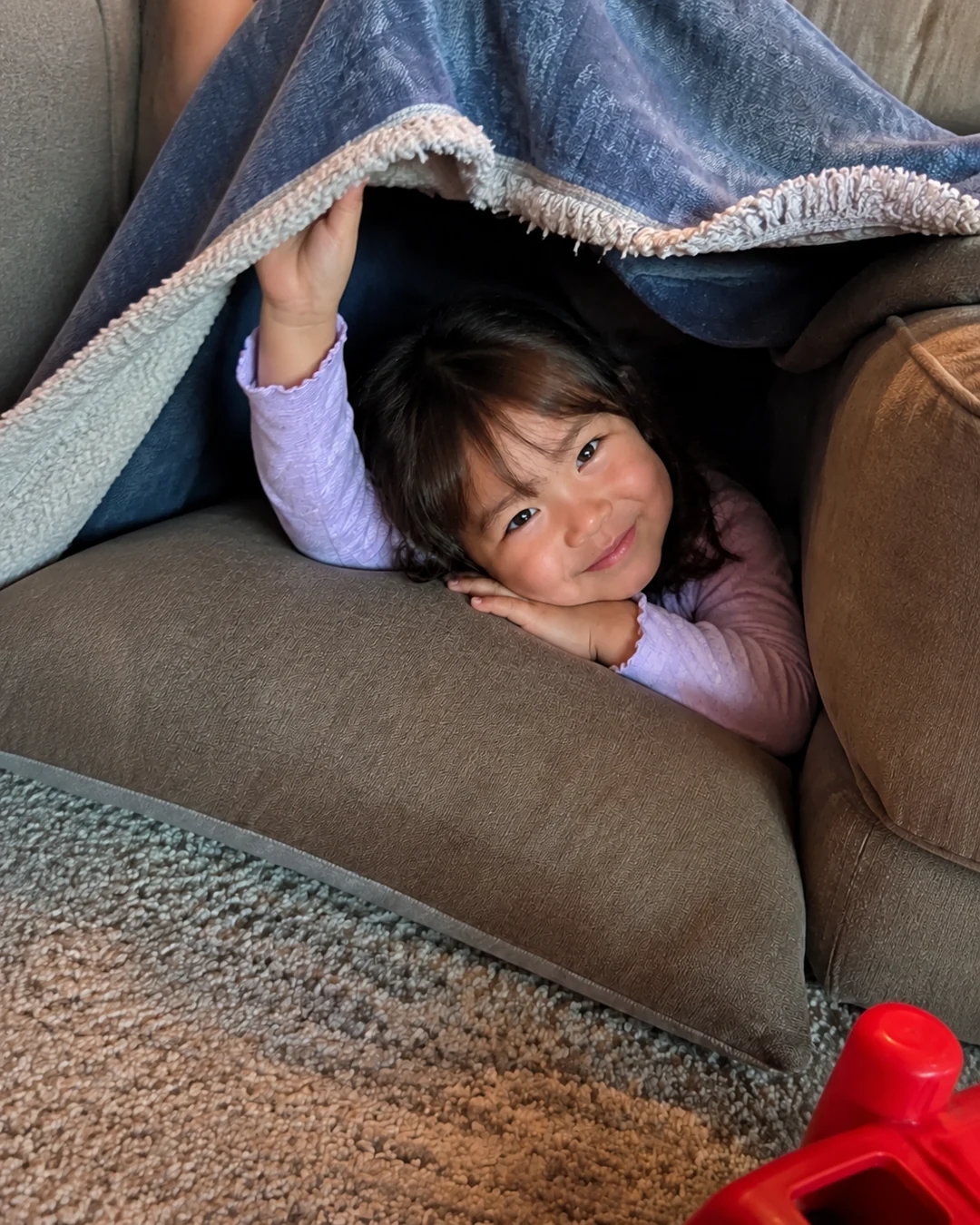
- After you fly home, the parents can post a 2-second clip most days. You get a notification each time, so you see her rolling over or laughing at the dog while it is still new, and you arrive at the next visit already knowing what she is up to.
- During the visit, the seenow! camera can record with the front and back cameras at the same time, so one clip can show her face and the face of the grandparent playing with her.
What seenow! can’t do
- Watching clips will not make a 4-month-old recognize you on your next trip. Time together in person does that.
- Only clips taken with the seenow! camera can be posted. Photos from the visit already on your phone cannot be added.
Core features are free.
POINT
Things to watch for in this situation
Let the parents make the call
If a parent asks for her back, hand her over without a debate, even if you think she would settle. Walking into another room with a crying baby or turning her away from her mom tends to make the next hold harder, and it puts the parents in an awkward spot during a short, precious visit.
Hunger and sleep come first
A baby who cries after a few minutes may simply be hungry or overdue for a nap. Ask the parents when she usually eats and sleeps, and save your longest holds for the hour after she wakes up.
FAQ
Frequently asked questions
Is she crying because we live far away and she doesn't know us?
Partly, in the sense that she is still learning faces and sees her parents every day. But HealthyChildren.org notes that even relatives a baby was comfortable with can make her cry at around 9 months. It is a normal stage, not a verdict on you.
Should we keep holding her until she gets used to us?
Shorter is usually better. Hand her back when she starts to fuss and try again later when she is calm and fed. A few good holds a day do more than one long, tearful one.