GUIDE
We sold the house to travel full time in our RV, and our first grandchild just arrived. How do we stay part of his life when the campground Wi-Fi can't handle a video call?
By the seenow! teamLast updated:
Stop counting on live video for everything. Ask for short clips you can watch whenever you get signal, let your phone fall back to cellular when campground Wi-Fi stalls, and keep mail going both ways through General Delivery at post offices on your route. Then build your travel around a few planned visits near him.
WHY
Why this happens
Full-time RVers who become grandparents tend to hit the same wall. The plan was built around open roads and new places, and it still works. But a baby changes every week, and the tool most families use to keep faraway grandparents close, the evening video call, depends on exactly what a campground often can't give you: a fast, steady connection at a fixed time.
Shared campground Wi-Fi can slow down in the evening, when many campers are online at once, which is also when a toddler's parents are home and free to call. The result is a frozen face, a call that drops after a minute, and a feeling that you are missing out. RV club writers who have lived this describe the same fixes: better cell data, mail from the road and online photos the family can add to.
The good news is that a 1- or 2-year-old doesn't need long calls. Short, frequent contact matters more than a perfect connection, and much of it doesn't have to happen live.
HOW TO
What you can do starting today
Ask for clips you can watch laterNo app needed
Ask your son or daughter to send a few short videos a week instead of saving everything for a call. A clip of your grandson banging a pot or trying a new word loads in seconds once you reach good signal at a grocery store parking lot or the next town, and you can watch it as many times as you like. Send one back from wherever you are: "Look, Grandpa found a big rock."
Let the phone switch to cellular when Wi-Fi stallsNo app needed
On an iPhone, Apple's Connectivity Assist setting, found in Wi-Fi settings, uses cellular data when the Wi-Fi is slow or unusable, so a call or video is less likely to freeze on the campground network. It doesn't run while you are roaming internationally or when cellular Low Data Mode is on, and Apple notes that it can use more cellular data, so check your plan's allowance. Many Android phones have a similar option in their network settings; the name varies by model.
Source: Apple Support: About Connectivity Assist (September 14, 2026)
Keep calls short and pick the best spotNo app needed
A toddler's attention lasts a few minutes, so a five-minute call that works is worth more than a 30-minute call that keeps freezing. Agree on a loose window rather than a fixed hour, and call from wherever your signal is strongest that day. Turn off other devices sharing your connection while you talk.
Get mail from the road with General DeliveryNo app needed
Paper still matters to small children. Send postcards from each stop, and let the family mail drawings back. USPS General Delivery is meant for people who aren't permanently located: mail is held at a post office for no more than 30 days, and you may be asked for ID when you pick it up. Before you give the family an address, call the post office in the town ahead to ask which facility handles general delivery and which ZIP Code to use.
Source: USPS Domestic Mail Manual 508, Recipient Services, section 6.0 General Delivery
Plan a few fixed visits around himNo app needed
The road gives you something most faraway grandparents don't have: you can bring your home with you. Set one or two longer stays near your grandson each year, timed with his birthday or a holiday, and book a campground within an easy drive. Knowing the next visit date helps everyone through the months in between.
WITH SEENOW!
Doing it with seenow!
seenow! is a private family app where everyone films a short video, about 2 seconds a day. Short clips fit a weak connection better than a live call.
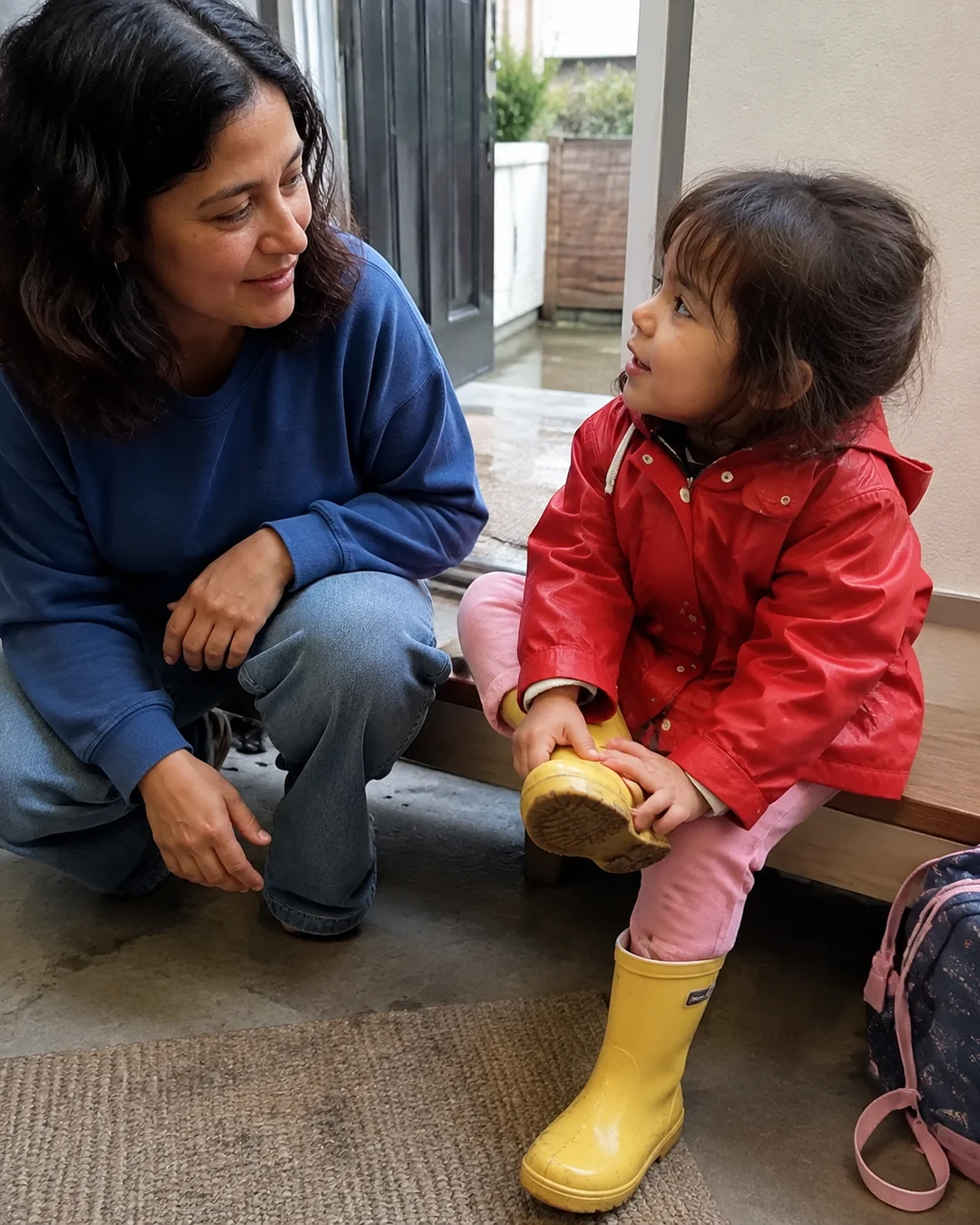
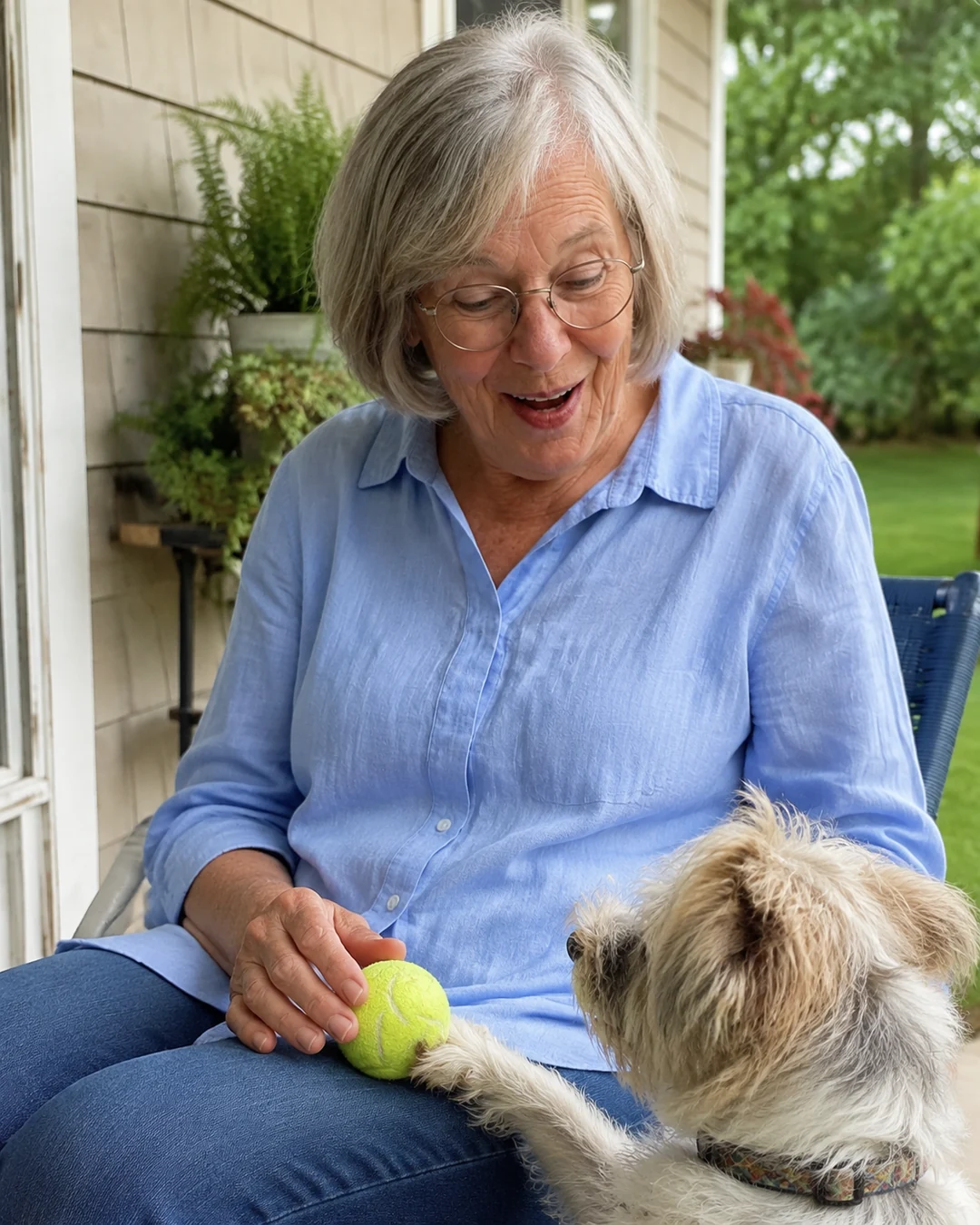
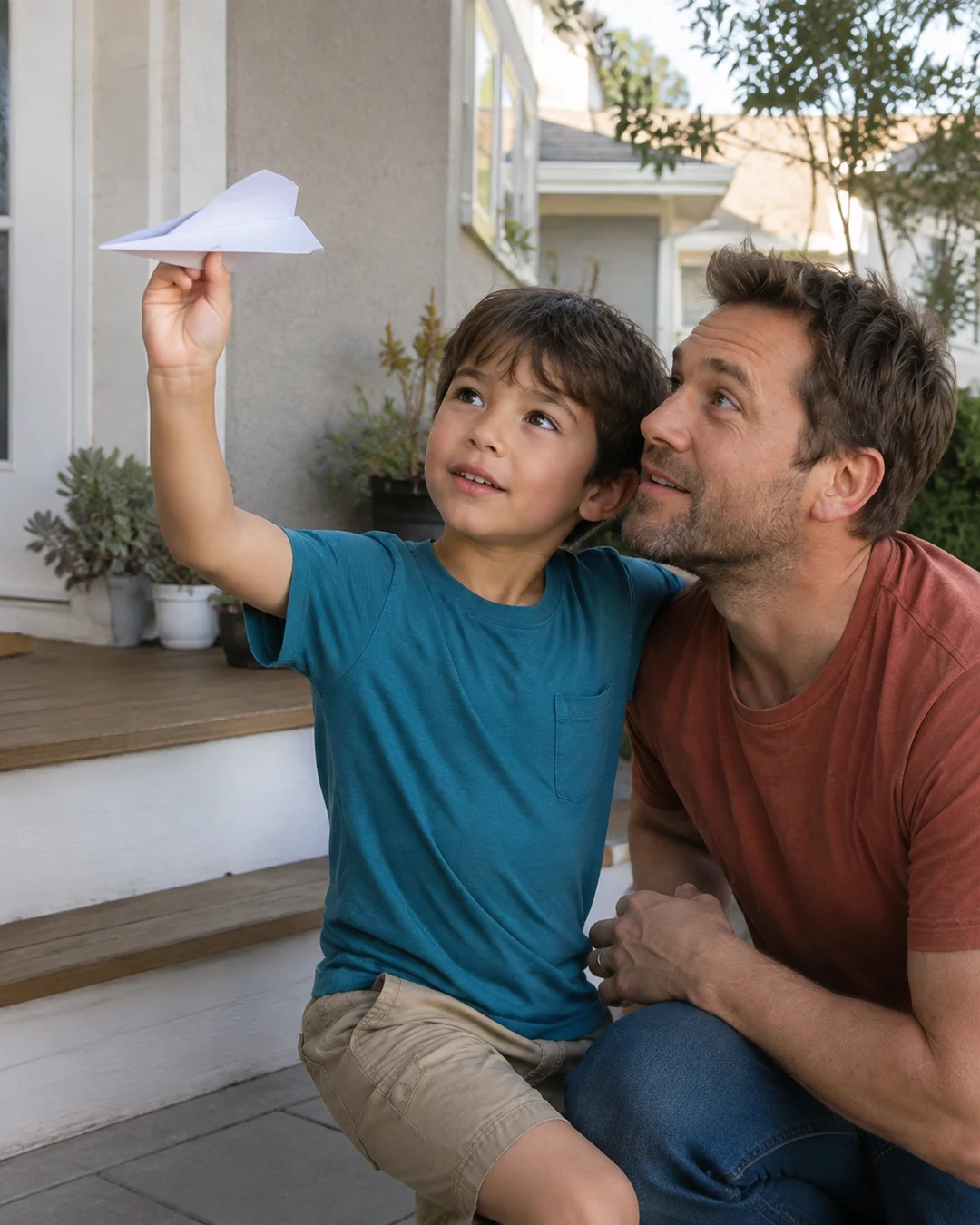
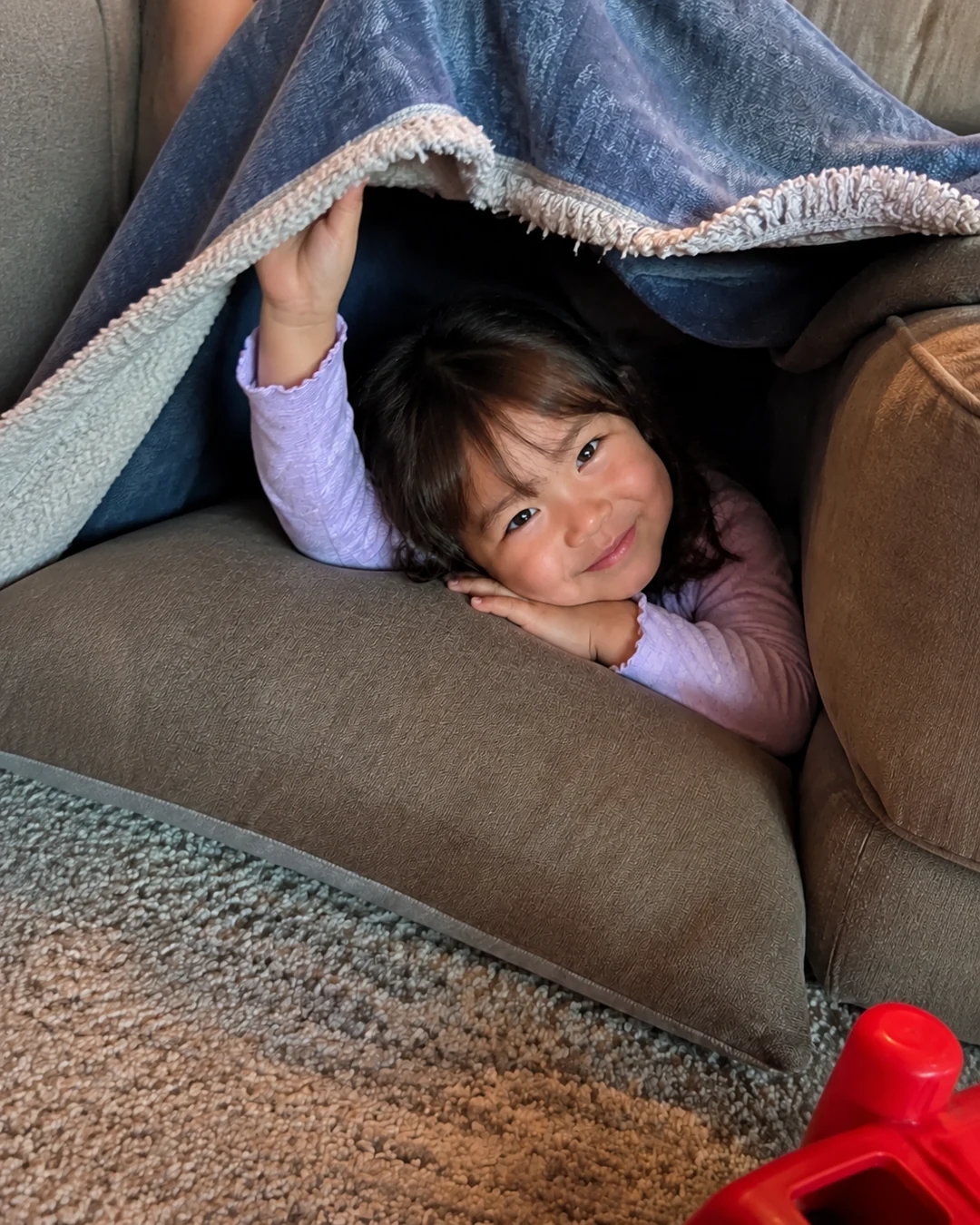
- Each clip is only a few seconds long, and a notification tells you when your family has posted. You can watch whenever you have signal, from any campground.
- The app turns the week's clips into a recap video automatically, so a week of patchy internet doesn't mean a week of missed moments.
- Filming and watching are the two main actions, which keeps it simple to use on the road.
What seenow! can’t do
- seenow! still needs an internet connection to post and to load clips, and it doesn't make video calls. It is a way to fill the gaps between calls, not to fix the Wi-Fi.
Core features are free.
POINT
Things to watch for in this situation
Your posts can show where you're parked
If you share travel photos in a family group, that is fine. Be more careful with anything public: a photo that shows your rig and the campground sign tells strangers where you are sleeping tonight.
Don't let the time zone surprise you
Crossing into a new time zone moves your call window. A 6:30 p.m. call in his home state may land during your dinner, or after his bedtime, once you head east or west. Check before you dial.
FAQ
Frequently asked questions
Do we need to give up full-time RVing to be good grandparents?
No. Full-time RVers who write about grandparenting describe staying close with planned visits, regular short contact and mail. What matters to a toddler is that you show up often, in whatever form, not that you live down the street.
Is campground Wi-Fi good enough for video calls?
Sometimes, but it is hard to count on, especially in the evening. Treat it as a bonus and plan around short clips, cellular data and calls at times when the network is quieter.
Where should the family send birthday cards?
If you know where you will be, a General Delivery address at a post office in that town works for mail held up to 30 days. Call ahead to confirm which facility handles it. Some RVers use a mail forwarding service instead.