GUIDE
Our 16-month-old video chats with her grandparents a few times a month and sees them twice a year. Is that enough for her to really know them?
By the seenow! teamLast updated:
It can be a real start. Toddlers come to recognize faces and voices from video calls, and that helps at the next visit. What makes it stick is a parent beside her during calls, the grandparents' faces in photos and books she handles every day, and a short warm-up at the start of each in-person visit.
WHY
Why this happens
When grandparents live across the country, a few video calls a month and two visits a year is a very common pattern. In a forum poll on this exact question, the most frequent answers were seeing long-distance grandparents in person twice a year and video chatting about weekly. So your family is not unusual. The worry usually comes from the visits themselves: your daughter is shy for the first day, or she clings to you while the grandparents wait with open arms.
The research-based advice is more encouraging than that first day feels. ZERO TO THREE, a national early childhood nonprofit, says babies and toddlers come to recognize the voices and faces of the people on the screen, and that this can help ease shyness during in-person visits. The American Academy of Pediatrics' parenting site, HealthyChildren.org, says it takes around 18 months for a baby's brain to connect symbols on a screen with the real things they stand for, and also says that doesn't mean babies shouldn't video-chat with a distant grandparent.
At 16 months, your daughter is right at that turning point. What helps is the adult next to her during a call, who points, names and reacts, and the everyday reminders of her grandparents between calls. CDC's 18-month checklist lists pointing to show you something interesting and looking at a few pages of a book with you. A photo book of the grandparents is the kind of thing she can point at and name long before she can hold a conversation on a screen.
HOW TO
What you can do starting today
Sit with her on every callNo app needed
A toddler alone with a phone screen usually wanders off. Hold her on your lap, point to Grandma, and repeat what Grandpa says in your own words. When he waves, wave with her hand. You are the bridge that turns a face on a screen into a person she knows.
Put the grandparents in a book she can holdNo app needed
Print a small photo book or a few laminated photos: Grandma reading, Grandpa in the garden, both of them holding her at the last visit. Keep it with her other books. Name them every time: "There's Nana. Nana has a dog." At 18 months, CDC's checklist lists looking at a few pages in a book with you and pointing to show you something interesting, so short daily looks fit this age well.
Source: CDC: Important Milestones: Your Child By Eighteen Months
Make calls shorter and more regularNo app needed
Three short calls at the same time each week often work better than one long call. Five minutes of peekaboo or showing the grandparents a new toy is a good call at this age. Ask the grandparents to bring something to each call, such as a puppet or the same song, so she starts to expect it.
Plan a warm-up at the start of each visitNo app needed
Ask the grandparents not to reach for her right away. Let her watch them from your lap, show them the photo book together and hand them a toy. Many toddlers warm up faster when nobody rushes them. Telling the grandparents this ahead of time keeps a slow start from feeling like rejection.
Send small, everyday moments between calls
Short clips of ordinary things, such as her first try with a spoon or dancing to a song, give the grandparents something to mention on the next call. When they say "I saw you dancing!" she hears that they know her life.
WITH SEENOW!
Doing it with seenow!
seenow! helps with the in-between part, the days when nobody is on a call.
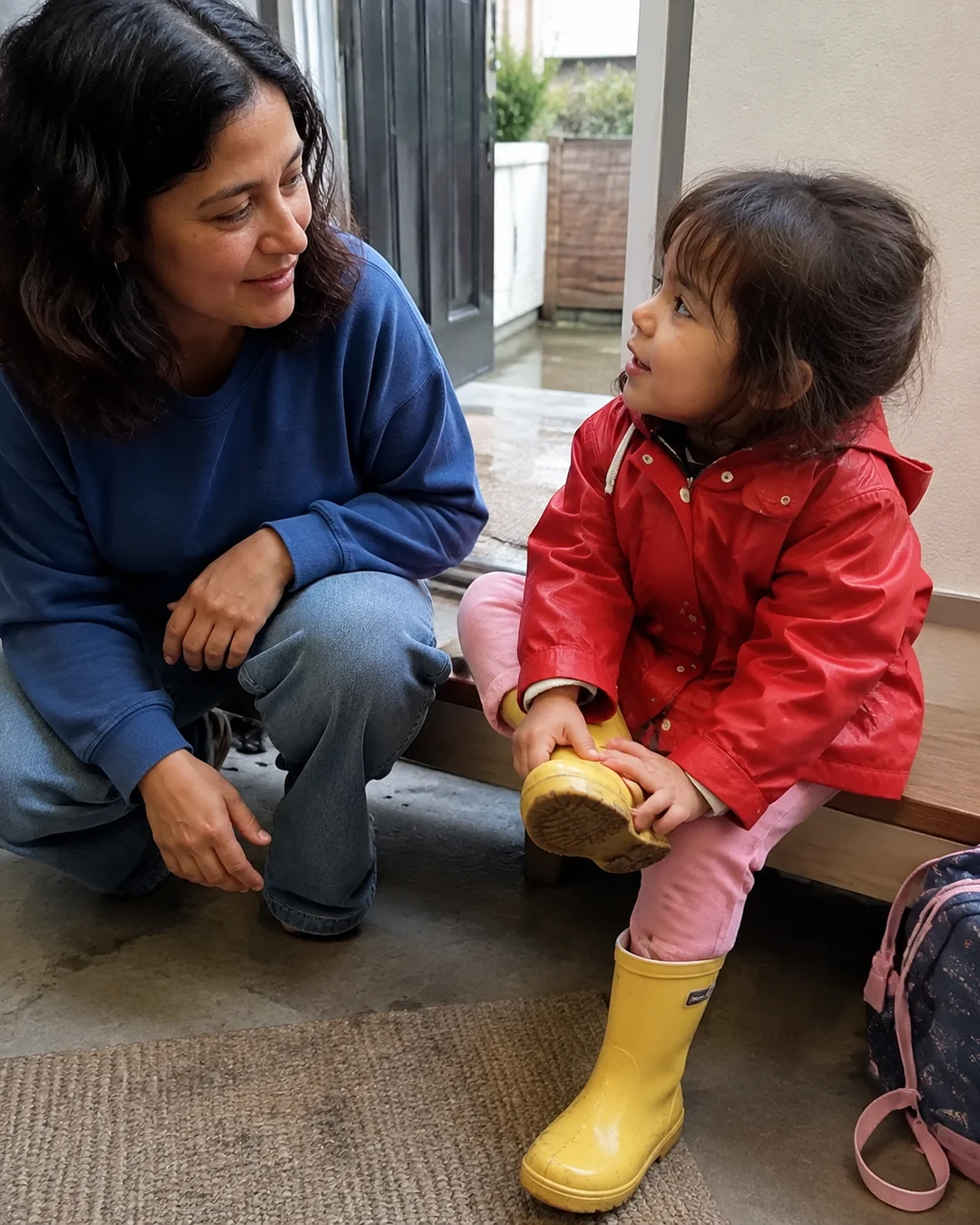
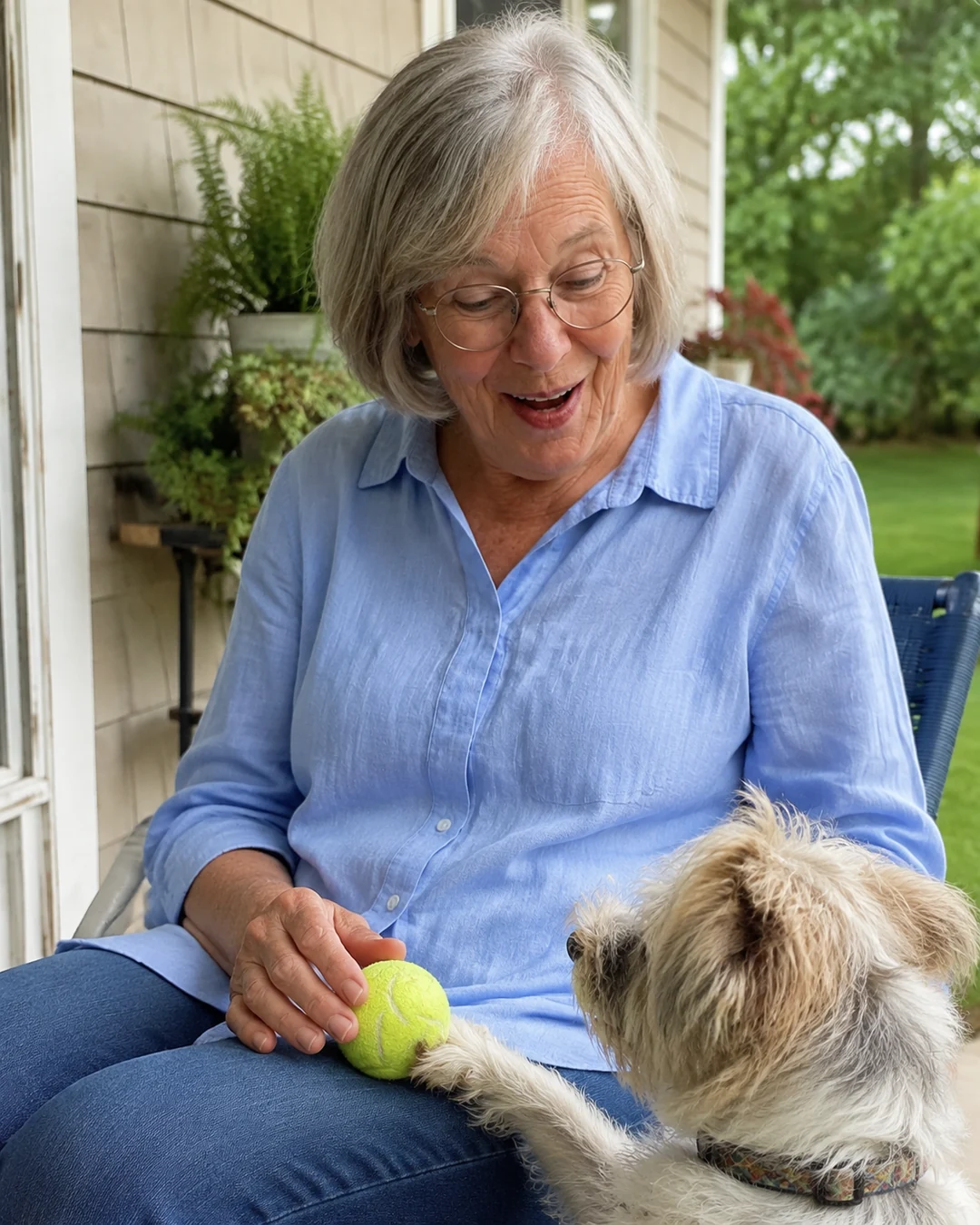
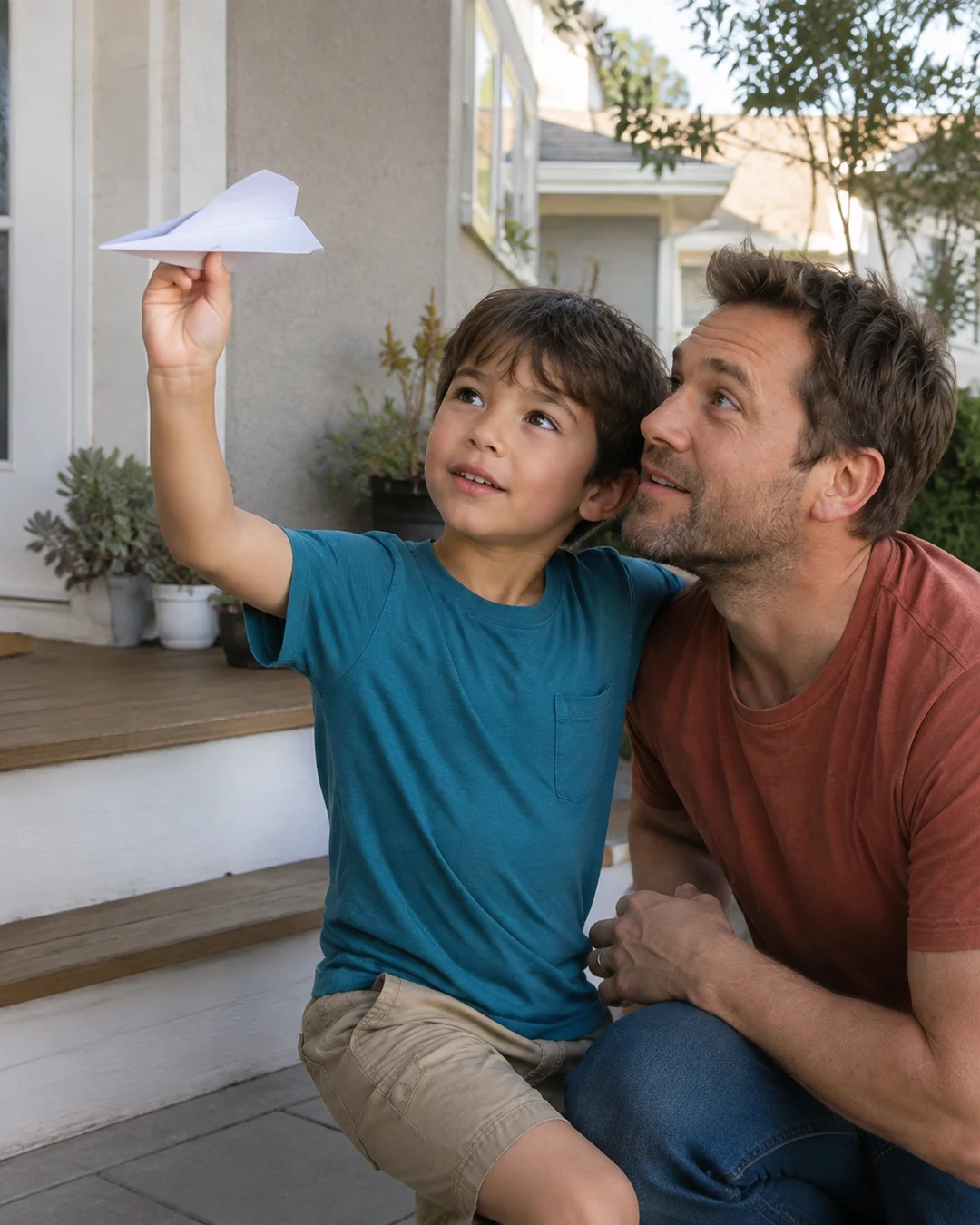
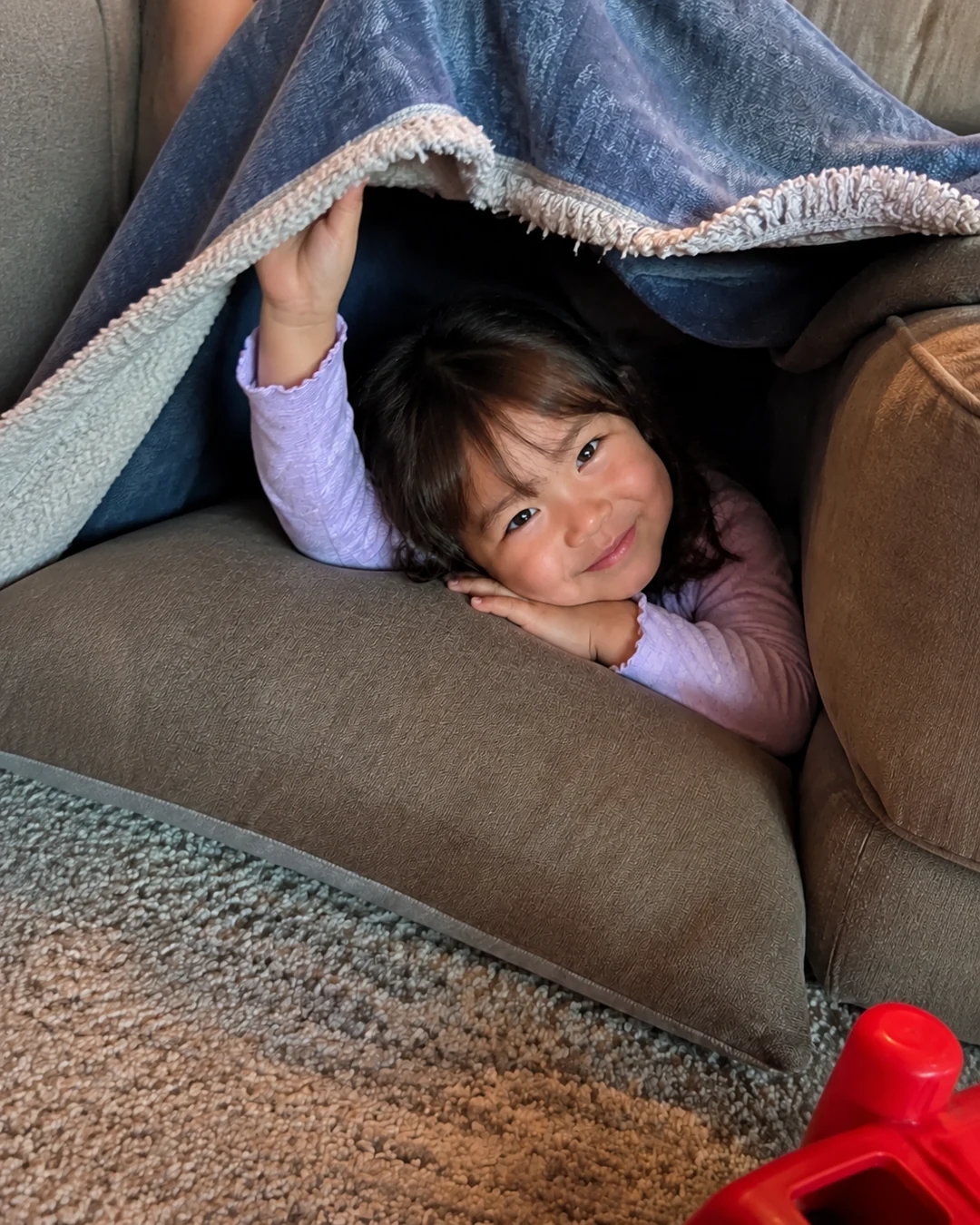
- Each family member shoots a 2-second clip a day, so the grandparents see her ordinary days and you can show her their clips, too, like Grandpa walking the dog.
- Everyone gets a notification when someone in the group posts, which makes it easy for the grandparents to keep up without asking for updates.
- Today's clips from the others open once you post your own, so the grandparents send something back from their day instead of only watching.
What seenow! can’t do
- seenow! has no video calling, so live calls still happen on your phone's usual calling app. Short clips don't replace the time she spends with her grandparents in person.
Core features are free.
POINT
Things to watch for in this situation
Don't judge the bond by one visit
Shyness at the start of a visit is common at this age, even with family she knows well. Watch how she is by the end of the visit, not the first hour.
Keep calls from becoming a test
If she isn't in the mood, end the call kindly and try again another day. A call that ends in tears makes the next one harder for everyone.
FAQ
Frequently asked questions
How often should we video chat with the grandparents?
There is no set number. Short, regular calls at a time when she's rested usually work better than long calls on a busy evening.
Will she remember them between visits?
Toddlers can come to recognize familiar faces and voices from regular calls, photos and books. The more often she sees and hears them, the quicker she warms up at the next visit.
Should the grandparents visit more often instead?
If they can, more visits help. If they can't, regular calls, photos and a slow warm-up at each visit still build a real relationship.