GUIDE
After ten years at home, I'm going back to work full time and won't be home until 7 p.m. How do I stay part of the after-school hours when my girls usually tell me about their day?
By the seenow! teamLast updated:
You can't keep 3 p.m., but you can move the conversation. Set one short check-in at the same time each afternoon, protect a daily talk after you get home, and give each child a regular one-on-one slot on the weekend. Start the routine before your first day so it feels planned, not lost.
WHY
Why this happens
For years, the after-school hour has been yours. The kids come through the door, drop their backpacks and tell you everything while it's fresh: the test, the lunch table drama, the thing the teacher said. By 7 p.m. that story is four hours old, homework is half done and everyone is tired. That's what makes this change feel bigger than a new schedule.
You are joining a lot of families. In the Bureau of Labor Statistics' 2025 family data, 78.2% of mothers whose youngest child was 6 to 17 were in the labor force, and 79% of employed mothers worked full time. Many of those families have built new routines around the same missing hours.
| Measure | 2025 |
|---|---|
| Mothers in the labor force, youngest child 6 to 17 | 78.2% |
| Employed mothers working full time | 79% |
| Primary childcare per day, adults whose youngest child is 6 to 17 | 47 minutes |
Source: U.S. Bureau of Labor Statistics: Employment Characteristics of Families, 2025 (news release, April 23, 2026) / U.S. Bureau of Labor Statistics: American Time Use Survey, 2025 Results (news release, June 25, 2026)
The time-use figure is a reminder of what changes with age. Adults whose youngest child is 6 to 17 spend about 47 minutes a day on primary childcare, a third of what parents of younger children spend. School-age kids need less hands-on care and more listening, and listening can move to a different hour.
HOW TO
What you can do starting today
Start the new routine a week earlyNo app needed
Sit down with the kids before your first day and walk through what a weekday will look like: who is home after school, when you'll call, when you'll be home, what dinner looks like. Try the evening routine for a few days while you're still home. Kids handle a change better when they've seen the plan than when they discover it.
Pick one check-in time and keep itNo app needed
A quick call or text at the same time every afternoon, say on your break once the bus has come, tells the kids you are thinking about them at the hour they used to see you. Keep it short. "Hi, I'm thinking of you. How was the test? Tell me the rest at dinner" holds the story until you can hear it properly.
Make the first half hour home a talk, not a to-do listNo app needed
When you walk in at 7, homework checks and dinner will compete for your attention. Try giving the first stretch of the evening to the kids instead: sit with them while they eat, or have dinner together and let each one tell their best and worst part of the day. Chores can wait until they are in bed.
Give each child their own time on the weekendNo app needed
With three kids of different ages, the youngest's news and the oldest's friend troubles need different conversations. A standing weekend slot with each child, like a Saturday breakfast or a walk, gives the older one room for the topics she won't bring up in front of her sisters.
Let whoever is home share a few seconds of the afternoon
If a grandparent, your partner or a sitter is with the kids after school, a short clip of snack time or soccer practice gives you something to ask about at dinner.
WITH SEENOW!
Doing it with seenow!
seenow! is a private family app where each person shares a short clip, about 2 seconds a day. It helps the parent at work see a bit of the afternoon without a phone call.
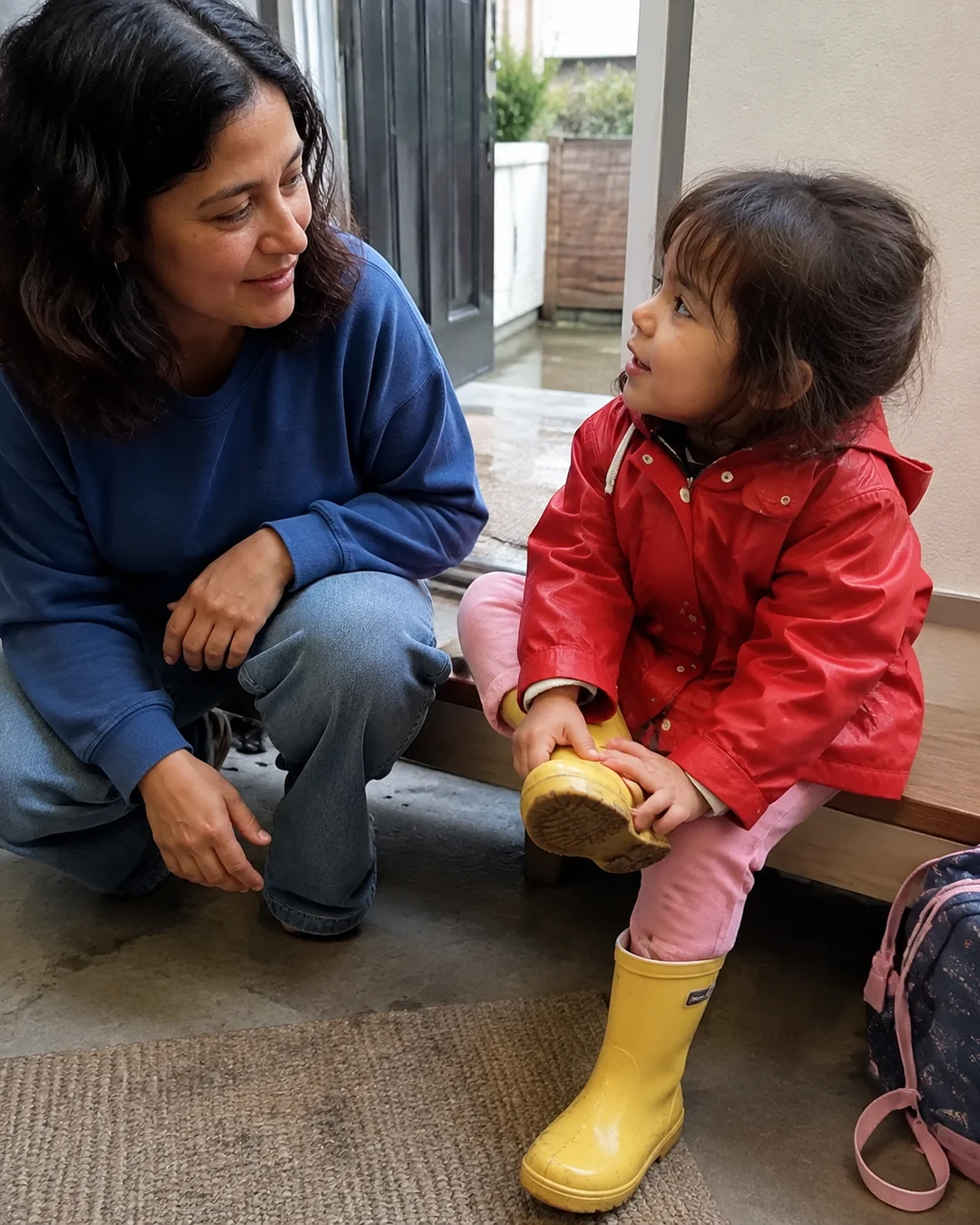


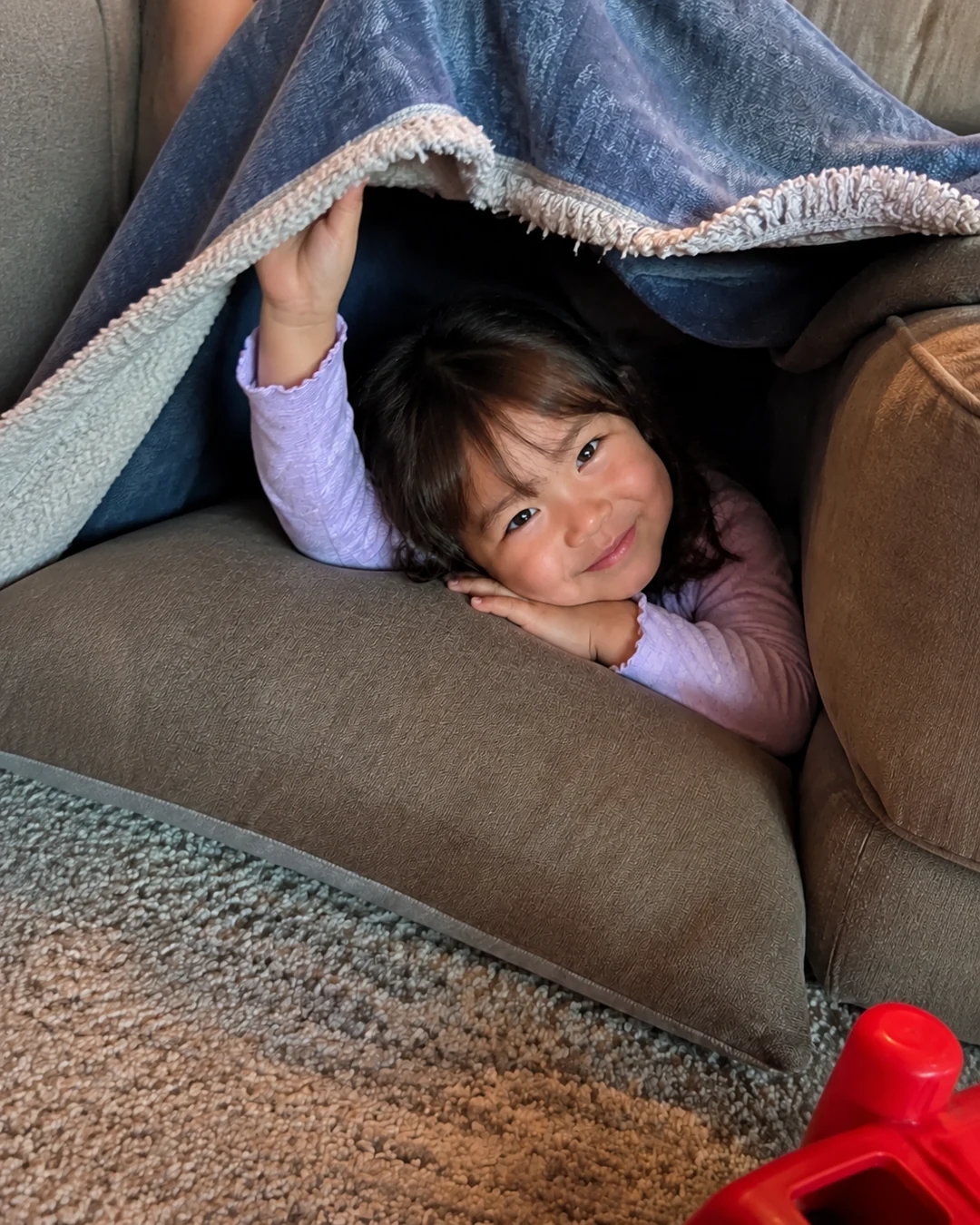
- Whoever is with the kids after school can post a 2-second clip, and you get a notification when it's up, so you can watch it on your break.
- Today's clips stay blurred until you post your own, so you share a few seconds of your day too. The kids see where you are while they're at home.
What seenow! can’t do
- seenow! doesn't make calls or carry messages back and forth. Use your phone for the daily check-in and for anything the kids need to tell you right away.
- It can't give you back the after-school hour. It fills in some of what you'd otherwise hear about hours later.
Core features are free.
POINT
Things to watch for in this situation
Expect a few bumpy weeks
Moods, sibling fights and forgotten homework often spike when routines change. That's usually about the change, not about you working. Keep the check-in and the evening talk steady, and things tend to settle.
Don't make the oldest the stand-in parent
When a teenager is home with younger siblings, it's tempting to have her relay everyone's news. Let each child tell you their own story, so the oldest gets to be a kid in those conversations too.
FAQ
Frequently asked questions
How do I help my kids adjust when I go back to work after staying home?
Explain the new schedule before it starts, keep a short check-in at the same time each afternoon, and protect time to talk after you get home. Regular one-on-one time on the weekend helps each child feel heard.
How can I stay connected with my kids after school when I work full time?
Move the after-school conversation to a time you can keep: a quick call on your break, the first part of the evening, and weekend time with each child. A note in a lunchbox or on the counter helps too.