GUIDE
We retire next month and are moving to be near our kids and grandkids. How close should we live so we can make the games without becoming the grandparents who drop in unannounced?
By the seenow! teamLast updated:
There is no right number of miles. Choose by drive time to the places the kids actually go, such as school, the fields and their house, and test it at game time before you sign anything. Then agree on a simple drop-in rule with the parents, both ways, before you unpack.
WHY
Why this happens
You're moving for the everyday things: the Saturday game, the school concert, a pickup when someone is sick. Those happen at fixed times in fixed places, and the drive to them is what decides whether you go. At the same time, the kids' parents are used to running their own house without anyone stopping by. Being close enough for the first and far enough for the second is a planning question, not a feelings question.
Moving after 65 is fairly uncommon, and family is a real part of it when it happens. A Census Bureau report on 2015-2019 data found that about 6.2% of people 65 and older moved in a typical year. When older adults do move, they are more likely than younger people to cross a state line, and in an older Census survey of reasons, about a third of movers 65 and over named a family reason.
| Age | Share who moved | Of movers, share who stayed in the same county |
|---|---|---|
| 65 to 74 | 5.9% | 55.0% |
| 75 to 84 | 6.0% | 60.4% |
| 85 and over | 8.4% | 64.0% |
| All 65 and over | 6.2% | 58.0% |
The table points to something worth planning for now: later in life, people tend to move shorter distances, often within the same county. A place that works for game days at 65 should also be one you'd be glad to stay in, or move within, later on.
HOW TO
What you can do starting today
Map the kids' week before you pick a neighborhoodNo app needed
Ask the parents for the places the grandkids go each week: school, practice fields, the gym, church, the library, a friend's house. Put them on a map with the kids' house. The best spot is usually the one with an easy drive to most of those places, not the one closest to the parents' front door.
Drive the route at game timeNo app needed
A drive that takes 15 minutes on a Sunday morning can take much longer at 5:30 on a weekday. Before you commit, drive from each candidate area to the field and to the school at the times you'd actually go. If you'll be doing pickups, try that hour too.
Rent first if you canNo app needed
A lease of a year or less lets you learn the area, the traffic and the family's real schedule before you buy. Most moves older adults make are short ones within the same county, so if the first place isn't quite right, a second move nearby is an ordinary step, not a failure.
Agree on a drop-in rule, both waysNo app needed
Have one short, friendly conversation before the move: "We'll always text before we come by. Please do the same with us." Add what you're happy to be called for, such as a sick-day pickup, and what needs notice. A rule that applies to both houses never sounds like a complaint.
Build a life of your own thereNo app needed
Join something in the first month: a club, a class, a congregation, a volunteer shift. You'll make the games because you want to, not because the grandkids are your only reason to leave the house, and your kids will see that you're settled.
WITH SEENOW!
Doing it with seenow!
seenow! is a private family app where each person films a short video, about 2 seconds a day. Once you live nearby, it plays a smaller part, but it can cover the days you don't see each other.
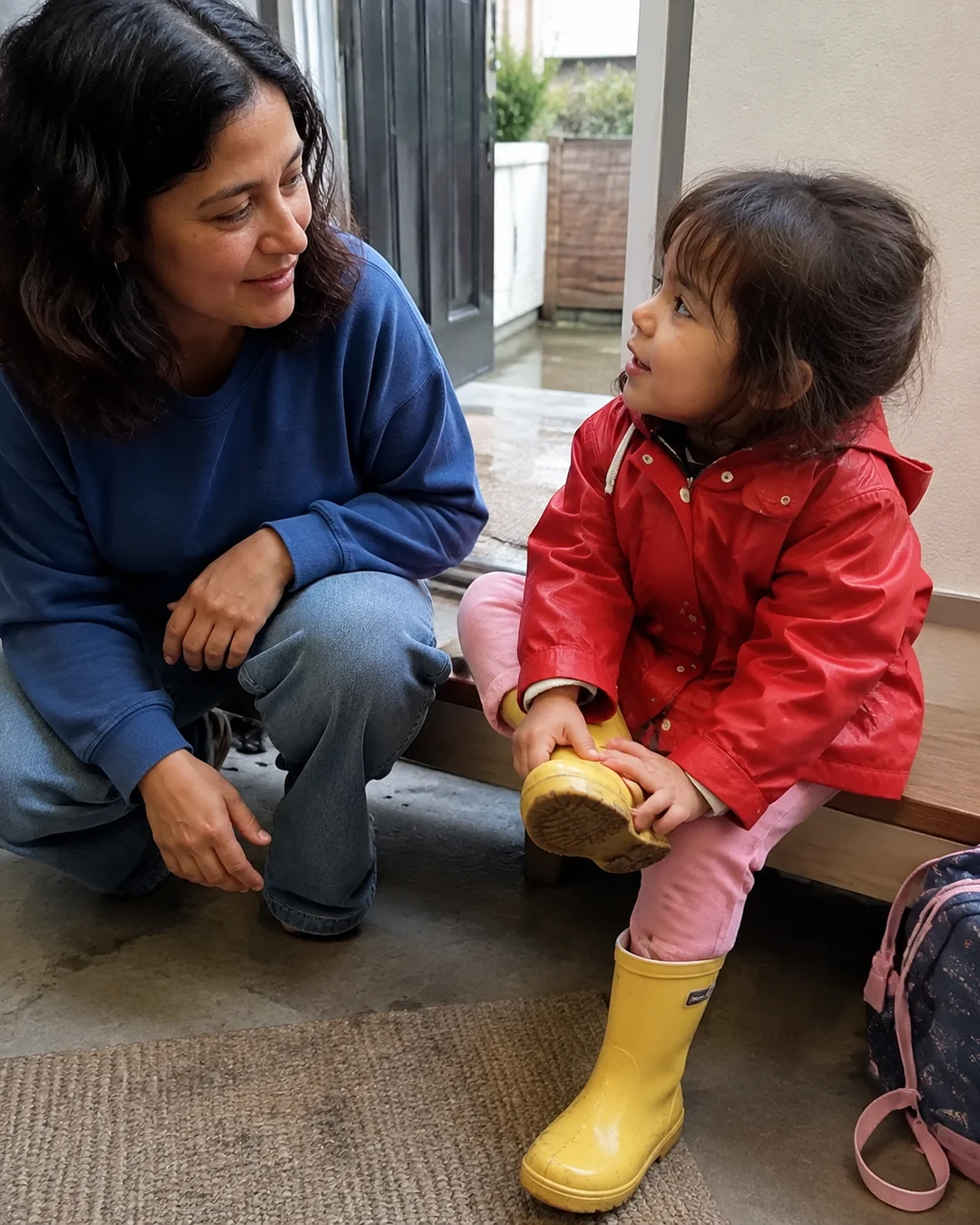
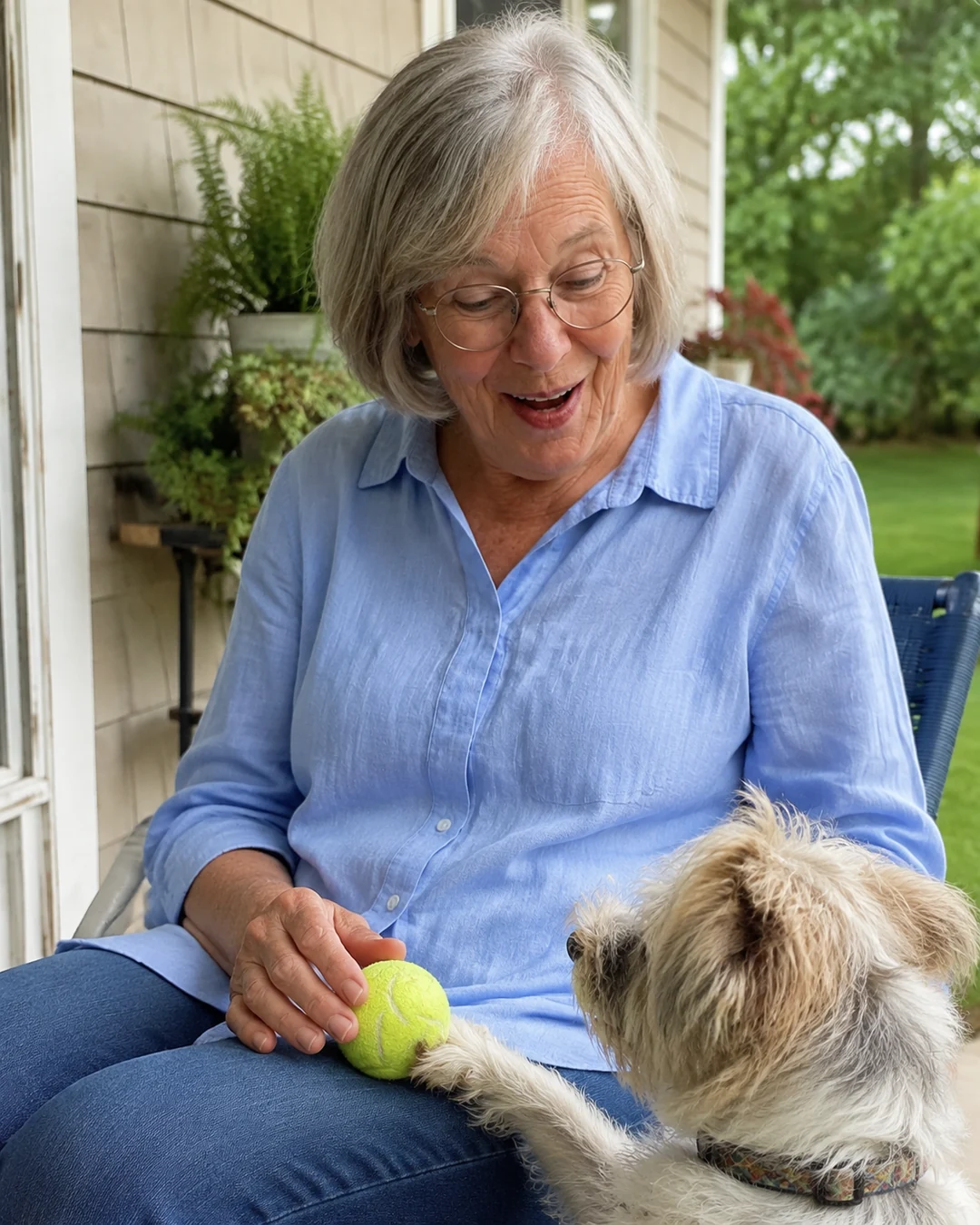

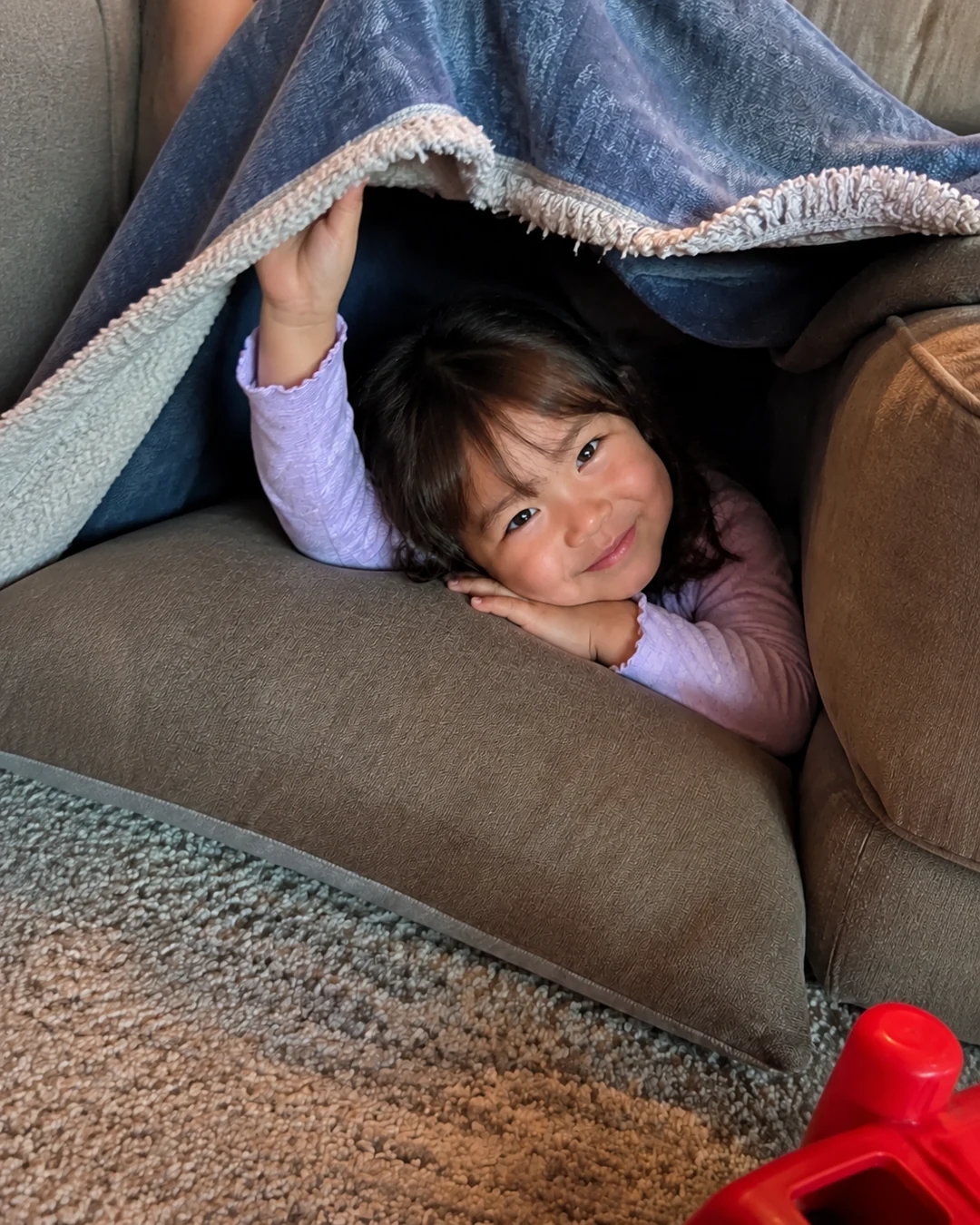
- The parents can post a 2-second clip of a practice or a lost tooth, so you know what's going on without dropping by. Only family members you invite can see the group.
- If you still have grandkids in other places, you can keep a separate group for each family.
What seenow! can’t do
- seenow! can't help you choose a neighborhood, share game schedules or set visiting rules with your family. Those conversations happen in person.
Core features are free.
POINT
Things to watch for in this situation
Plans can change after you arrive
Jobs move, and families sometimes relocate again. Choose a place you'd enjoy living in on its own merits, with friends, things to do and services you'll want later, so a change on their side doesn't leave you stranded.
Don't wait to be invited to everything
Ask for the season schedule and say which games you plan to attend. A plan shared ahead of time feels like support, while showing up unannounced can feel like checking in.
FAQ
Frequently asked questions
Is living within walking distance too close?
It depends on your family. Some grandparents live a few blocks away and rarely drop in; others prefer a short drive. The distance matters less than the drop-in rule you agree on. If you're unsure, rent close for a year and see.
Should we buy a house with a room for the grandkids?
If sleepovers are likely, a spare room helps. Since the moves older adults make tend to get shorter and more local with age, think about whether the house will still work for you in 10 or 15 years, too.