GUIDE
We call our grandkids every week, ask how school is, and get one-word answers. How do we find something better to ask?
By the seenow! teamLast updated:
"How's school?" is too big a question for a child to answer. Ask the parents to forward the school newsletter and a one-line tip before each call, keep a notebook of names and plans the kids mention, and ask about one specific thing you know happened that week.
WHY
Why this happens
A weekly call is a common habit. In AARP's 2011 survey of grandparents 50 and older, 58% said they talk with their grandchildren by phone at least once a week. The habit is easy to keep. The hard part is what to say once the call connects.
"How was school?" asks a seven-year-old to sum up five days of reading groups, recess drama and a substitute teacher. Most kids do the sensible thing and say "good." It's not rudeness, and it doesn't mean they don't want to talk to you. They need a smaller door to walk through.
The real gap is information. The parents know that Thursday was the field trip and that the class hamster went home with someone. You don't, so you fall back on the general question. Schools already send a lot of this information home: in the federal Parent and Family Involvement in Education survey for 2018-19, school-wide newsletters, memos, emails or notices were reported for 89% of K-12 students, and notes or emails about the specific student for 66%. Most of what you need to ask a good question is already sitting in the parents' inbox.
AARP's 2026 report Powering Families sorts grandparents into nine relationship types, and 10% fall into one it calls "Light Touch, Topic-Limited." If your calls keep circling the same two questions, that is the pattern to break, and it usually takes better material rather than more effort.
HOW TO
What you can do starting today
Ask the parents to forward the class newsletterNo app needed
Ask your son or daughter to forward the teacher's weekly or monthly newsletter, or a photo of the class calendar. It takes them ten seconds. From it you'll learn the spelling words, the science unit, the book the class is reading and the dates of the field trip and the book fair. "Did you finish the butterfly unit?" gets a much better answer than "What are you learning?"
Get a one-line tip before each callNo app needed
Agree with the parents on a short text an hour before the call: "Ask her about the lost tooth" or "He's proud of his spelling test." One line is enough. Parents who would never write a weekly update can usually manage a hint when they know the call is coming.
Keep a notebook by the phoneNo app needed
Write down the names the kids mention: the teacher, the best friend, the dog next door, the kid who sits at their table. Add what they're looking forward to. Next week, open with it: "Did Maya come to your birthday?" Being remembered is what makes a child keep talking, and a notebook does the remembering for you.
Ask small questions with a choice in themNo app needed
Swap the open question for a narrow one. "What was the best part of recess on Monday?" "Was the substitute nice or strict?" "Pizza or tacos at lunch this week?" Small questions are easy to answer, and a first answer often leads to a second one. If you get a story, stop asking and just listen.
Give them something of yours to ask aboutNo app needed
Tell them one thing from your week that a kid would care about: the squirrel that raided your bird feeder, the pie that burned. Then leave a gap. Children ask more questions when they have something to ask about, and the call stops feeling like a quiz.
WITH SEENOW!
Doing it with seenow!
seenow! is a private family app where each person shares a short clip, about 2 seconds a day. It helps with the information gap: you see bits of the kids' week before you call.
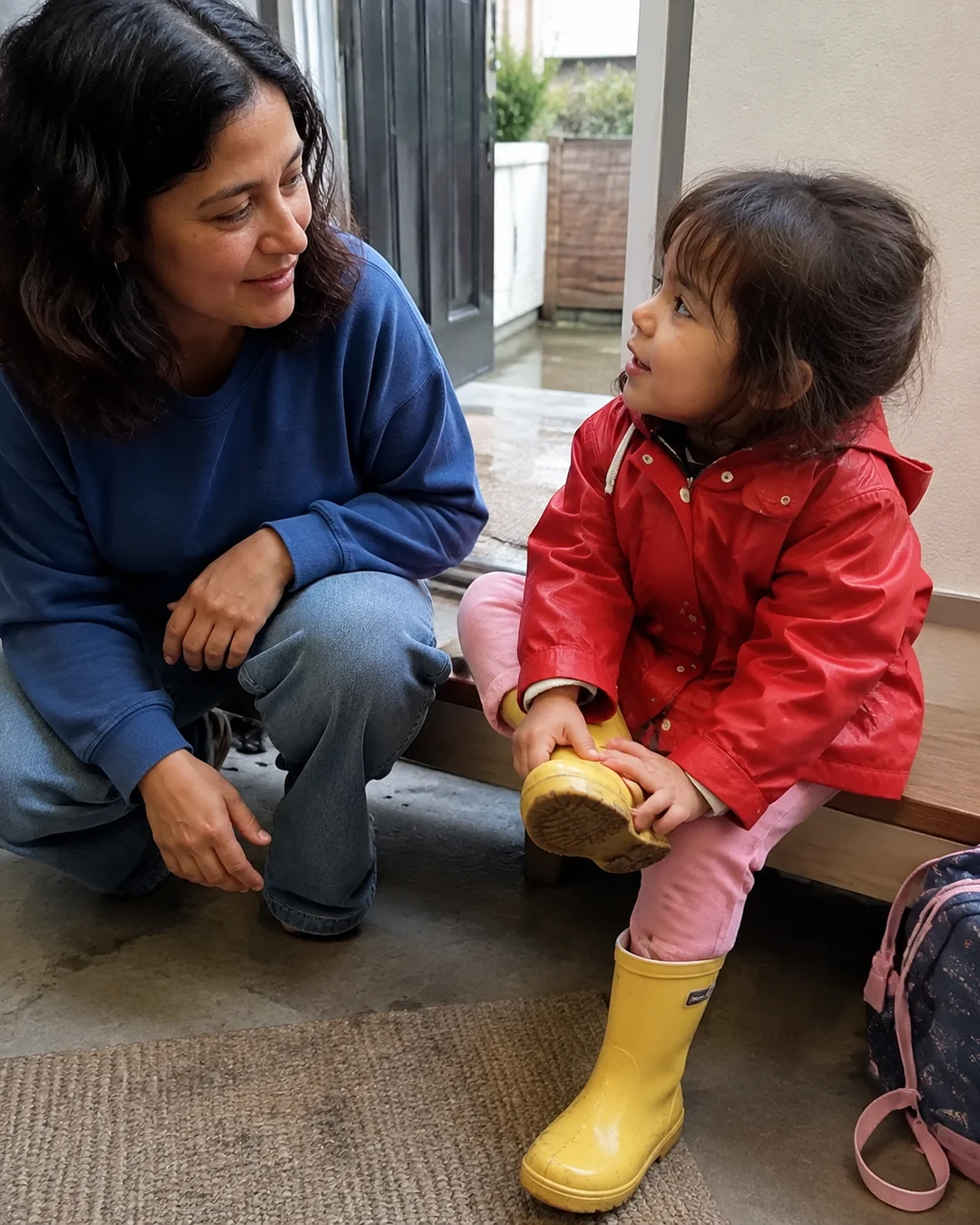

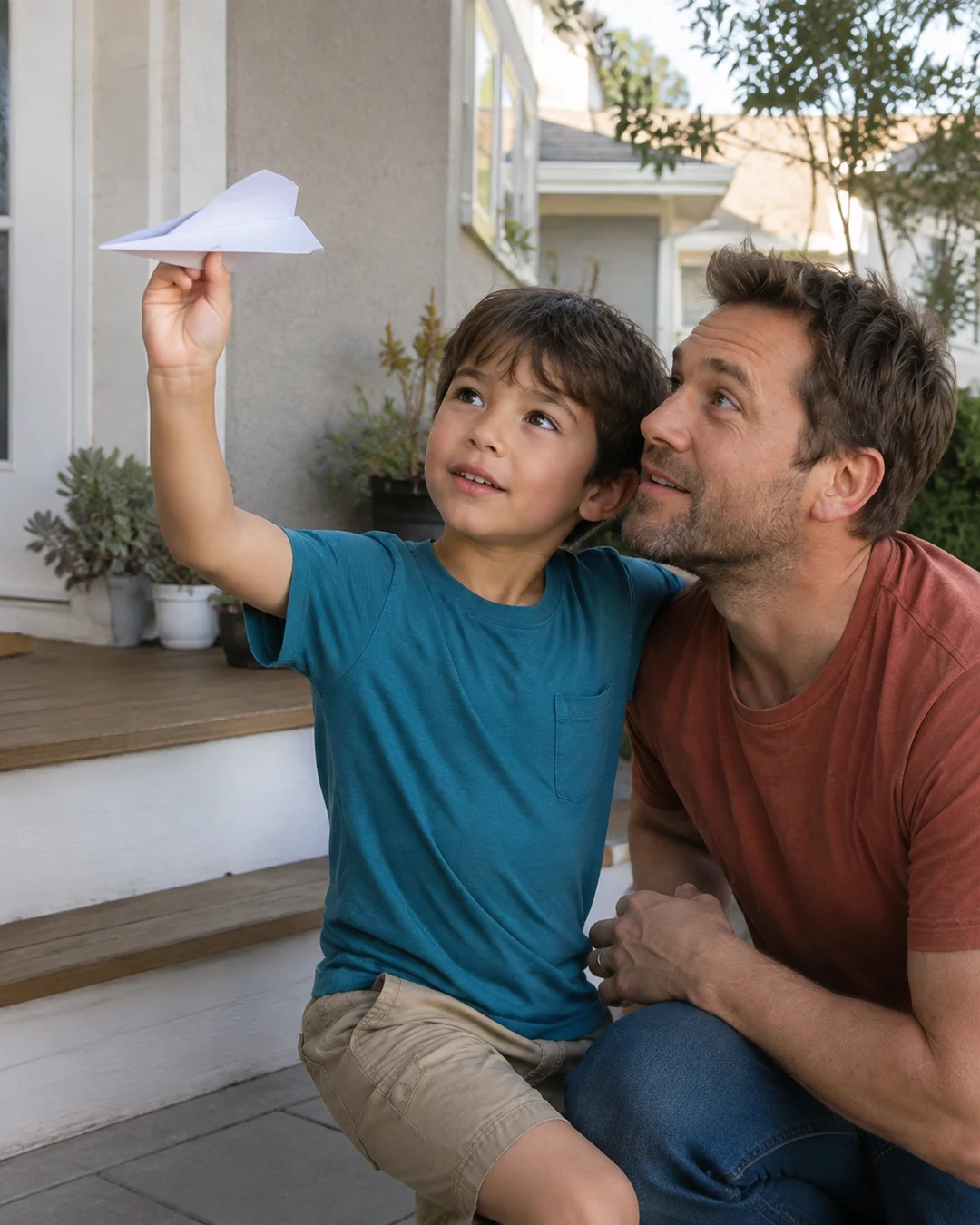
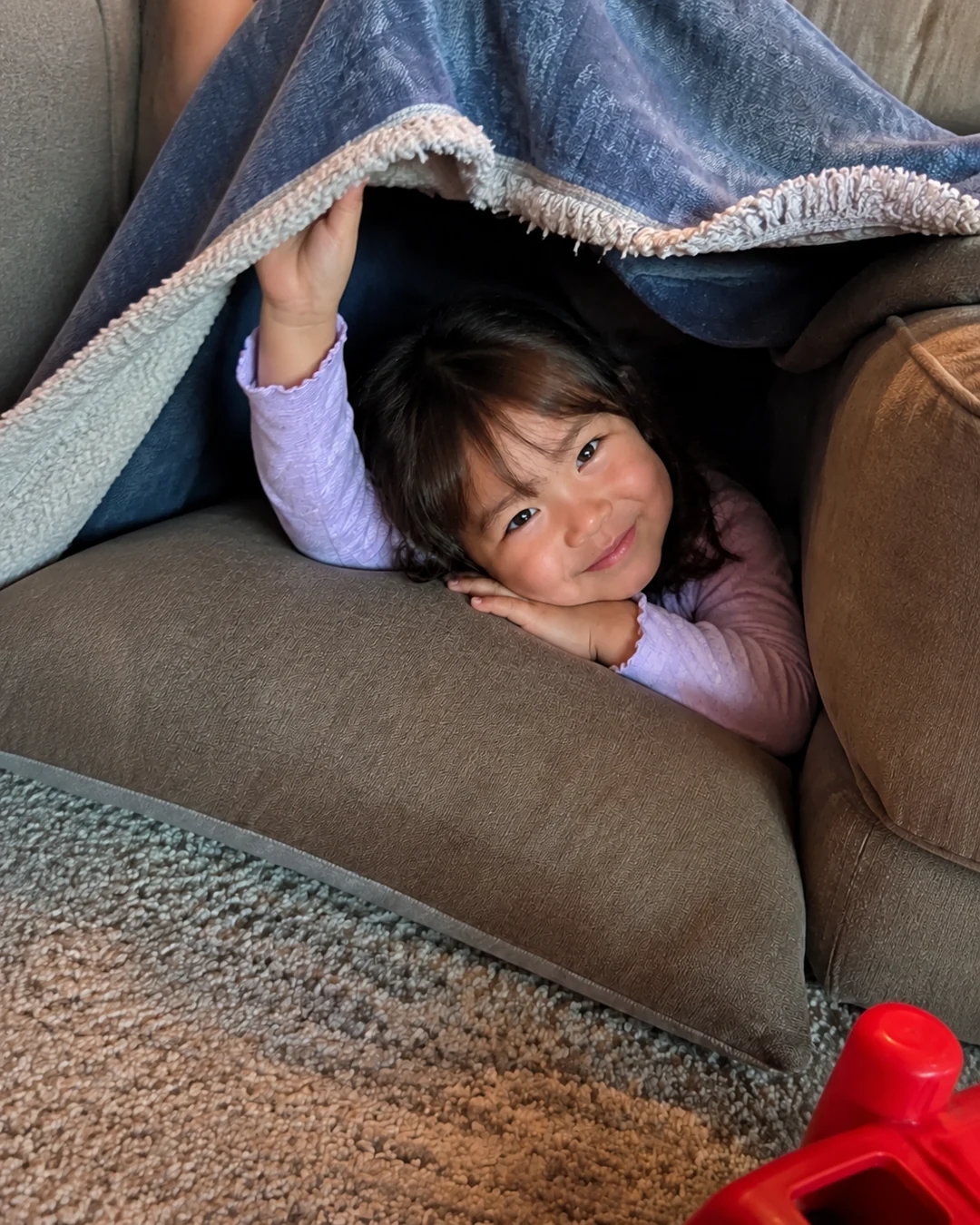
- When the kids or their parents post a 2-second clip of the science project or the new soccer cleats, you already have your opening question for Sunday's call. Only the family members in the group can see the clips.
- Today's clips from everyone else unlock once you post your own, so you share a few seconds of your day too. That gives the grandkids something to ask you about.
- There are no comments or likes, so the reaction happens on the phone, in your own voice: "I saw that volcano. What happened when it blew?"
What seenow! can’t do
- seenow! doesn't forward school newsletters or calendars. Those still come from the parents.
- It doesn't make the call for you. It gives you something to talk about when you do.
Core features are free.
POINT
Things to watch for in this situation
Don't ask about grades
Report cards and test scores are the parents' conversation. If a grandchild brings up a grade, follow their lead, but don't make it the standing question. It turns the call into a check-in and kids start to dread it.
A short call can still be a good call
Some kids aren't talkers on the phone, especially right after school or before dinner. A happy three-minute call is better than a dragged-out fifteen. Ask the parents whether a different time, such as during breakfast on Saturday, gets a chattier child.
FAQ
Frequently asked questions
What questions should I ask my grandkids on the phone?
Ask about one specific thing you know happened: a field trip, a friend's name, a book the class is reading. Narrow questions with a choice in them, like "Was the substitute nice or strict?", are easier to answer than "How was school?"
Why does my grandchild only give one-word answers?
General questions are hard for children to answer, and phone calls take away the faces and objects that help them talk. It usually isn't about you. Better material and shorter, more specific questions help.
Should I call more often or less often?
Keep the rhythm you can sustain and the parents are comfortable with. A weekly call with good questions usually does more than daily calls with the same two questions.