GUIDE
My daughter's family is taking my grandsons, 7 and 4, to the ocean for the first time. How can I feel like I'm there for their first look at the waves while I stay home?
By the seenow! teamLast updated:
Ask for one moment, not the whole trip: a short clip of the boys' first look at the water, filmed so you see both the waves and their faces. Agree on one evening call to hear the story in their words. A small project at home, like a map of the coast, makes it yours too.
WHY
Why this happens
A first look at the ocean happens once, and it's fast: a 4-year-old stops, stares, then runs. If you're home, what you want is not a hundred photos later, but that one moment, close to when it happens, and a chance to hear about it from the boys themselves.
The beach is also a hard place for a phone. Apple says iPhone is designed for air temperatures between 32 and 95°F; when it gets too hot, the screen can dim and camera features or charging can pause until it cools down. Apple also advises keeping larger particles like sand off the phone and cleaning it right away if sand gets on it. A phone that overheats in a beach bag can mean missing the big moment.
And the ocean keeps its own schedule. NOAA explains that a lunar day is 24 hours and 50 minutes, with high tides 12 hours and 25 minutes apart, so the tides come about 50 minutes later each day. The beach at 10 a.m. on Monday won't look the same at 10 a.m. on Thursday, which is worth knowing if you're hoping for a wide stretch of sand in the first clip.
HOW TO
What you can do starting today
Ask for one moment, filmed two waysNo app needed
Tell your daughter you'd love one short clip of the first look at the water, and nothing else is required. If she can, she films the waves first and then turns to catch the boys' faces, or asks the 7-year-old to film his brother. A ten-second clip of the face you know, turning to the ocean, is the part you'll watch again.
Help them pick the time for the first lookNo app needed
If you enjoy planning, look up a tide chart for their beach on NOAA's Tides and Currents site and share the low tide times with your daughter, since more sand is uncovered around low tide. Leave the final call to the parents; it's their trip and their day.
Source: NOAA National Ocean Service: Frequency of Tides, The Lunar Day
Keep the phone cool and clean for the big momentNo app needed
Before they go, pass on two simple tips: keep the phone in the shade or in a bag under a towel, not on the hot sand or in a parked car, and keep sand off it. A zip-top bag works for the walk to the water. If the phone shows a temperature warning, the moment can wait a few minutes.
Source: Apple Support: Keep iPhone and iPad within acceptable operating temperatures
Set one evening call for the storyNo app needed
The clip shows you what happened. The call lets the boys tell you, which is where the 7-year-old will add the crab and the 4-year-old will tell you the water was "so cold." Ask about one thing each: "What did the water feel like?" "What did you find?" Keep it short after a long beach day.
Make a project at home that matchesNo app needed
Print a map of the coast and mark where they are. If they're near one of the National Park Service's 10 national seashores, such as Assateague Island on the Maryland-Virginia line, look up its wild ponies or lighthouse and ask about them on the call. A shell or a postcard they bring back for your shelf closes the loop.
Source: National Park Service: National Park System (list of national seashores)
WITH SEENOW!
Doing it with seenow!
seenow! is a private family app where each person films a short video, about 2 seconds a day. A first look at the waves is exactly the kind of short moment it's built for.
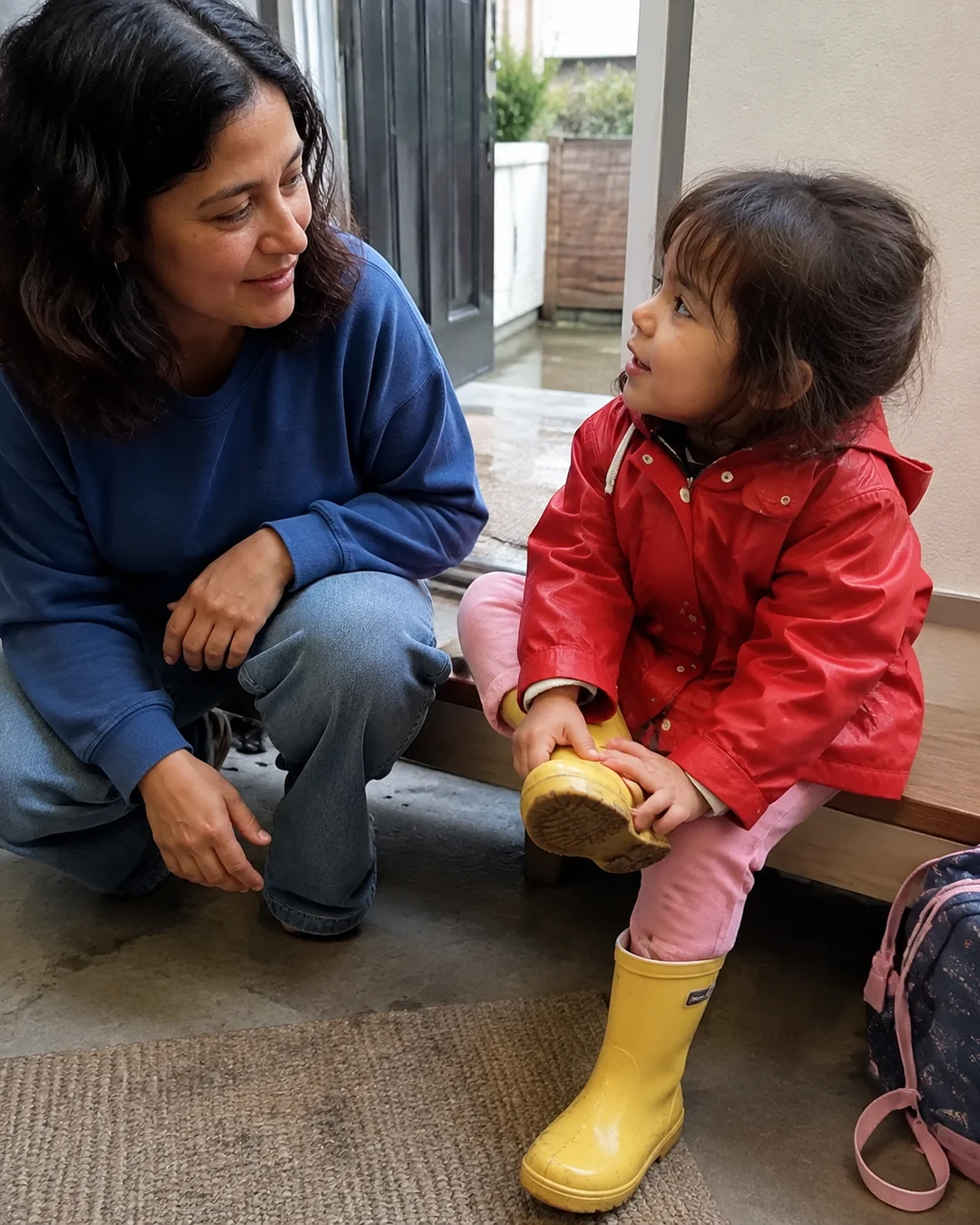



- The app can film with the front and back cameras at the same time, so one 2-second clip can show the waves and the boy looking at them. You get a notification as soon as it's posted.
- Each day's clips from the trip are saved, and the app turns the week's clips into a short weekly recap video, so the week of the trip ends up in one short video you can rewatch without anyone editing.
- To see today's clips, you post one of your own that day. A clip of the seashell on your windowsill or the map on your table counts, and the boys see that you're following along.
What seenow! can’t do
- seenow! doesn't stream live or make calls, so the first look reaches you as a short clip after it happens, not as a live view.
- Clips are filmed in the app itself. Photos and videos your daughter already took with the regular camera can't be posted to seenow! afterward.
Core features are free.
POINT
Things to watch for in this situation
Don't turn the moment into a photo shoot
If the boys have to wait while the phone gets set up, the moment is gone. One quick try is enough. If it doesn't work out, the second day at the beach is still the first time you see it.
Let the parents set the phone time
A beach trip with a 4-year-old keeps parents busy. Say what you'd love to see, then let them decide when they post and call. A clip that arrives that evening is still a first.
FAQ
Frequently asked questions
Should I ask for a live video call at the beach?
A short clip usually works better. Signal may be weak at the beach, a phone in the sun can overheat, and a call pulls a parent's attention away from the kids. An evening call from the rental, with the boys rested and fed, is easier for everyone.
What can I send them for the trip?
A picture book about the ocean, a small bucket or a notebook for the 7-year-old to draw what he finds. Mail it to their home before they leave, so it goes in the car with them.